5 fashion product development challenges slowing your team down
Fashion product development is under pressure from growing complexity, tighter timelines, and fragmented workflows. This guide explores the key challenges impacting performance and how leading brands address them.
Product development is under pressure
Fashion product development is becoming more complex than ever. Disconnected workflows, tighter timelines, and limited visibility are impacting day-to-day execution. Teams struggle to maintain speed, consistency, and control.
Across the industry, five key challenges are making it harder for teams to move quickly and operate efficiently.
5 biggest product development challenges
#1 The talent and knowledge gap
As experienced patternmakers retire, they take critical, often undocumented, expertise with them. At the same time, onboarding new talent can be slow and inconsistent. This creates knowledge gaps, affecting both productivity and product quality.
#2 Digital/physical disconnect
Digital products often fail to reflect manufacturability constraints, brand standards, or awareness of production realities. The gap leads to rework, delays, and lost efficiency before production even begins.
#3 Data fragmentation issues
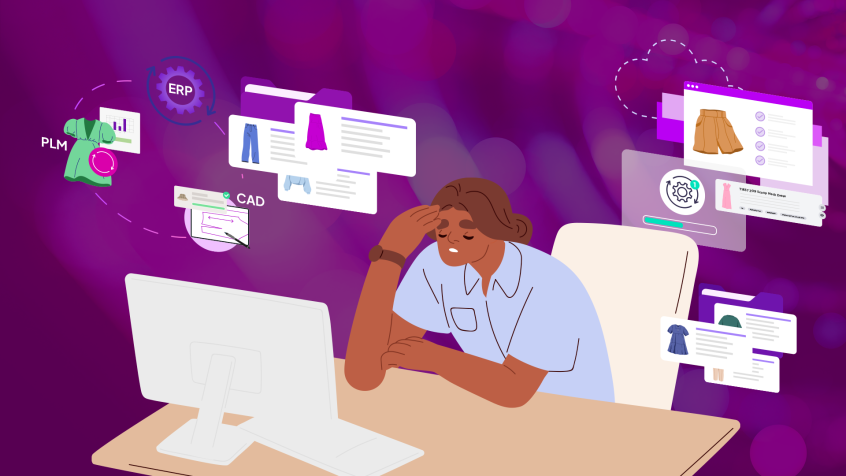
Product data is spread across tools, files, and teams, making it difficult to access and use effectively. Teams spend more time gathering information than acting on it. This lack of visibility slows decision-making and leads to errors, duplication, and delays.
#4 Collaboration complexity
Product development involves multiple stakeholders across regions, partners, and suppliers. Communication is fragmented and difficult to track. Misalignment increases delays, creates inconsistencies, and impacts overall performance.
#5 Rising sustainability pressure
New regulations require greater traceability and earlier access to environmental data. However, this data is often collected too late in the process. Late-stage decisions increase compliance risks, waste, and unnecessary development iterations.
How brands adapt today
To keep pace with increasing complexity, fashion companies are shifting toward more connected, data-driven, and collaborative approaches. These approaches rely on centralized data, aligned workflows, and better coordination across teams.
They enable companies to:
- Share a single, consistent product view
- Align digital and physical processes
- Reduce silos and manual handoffs
- Make faster, more informed decisions
The new foundation of product development
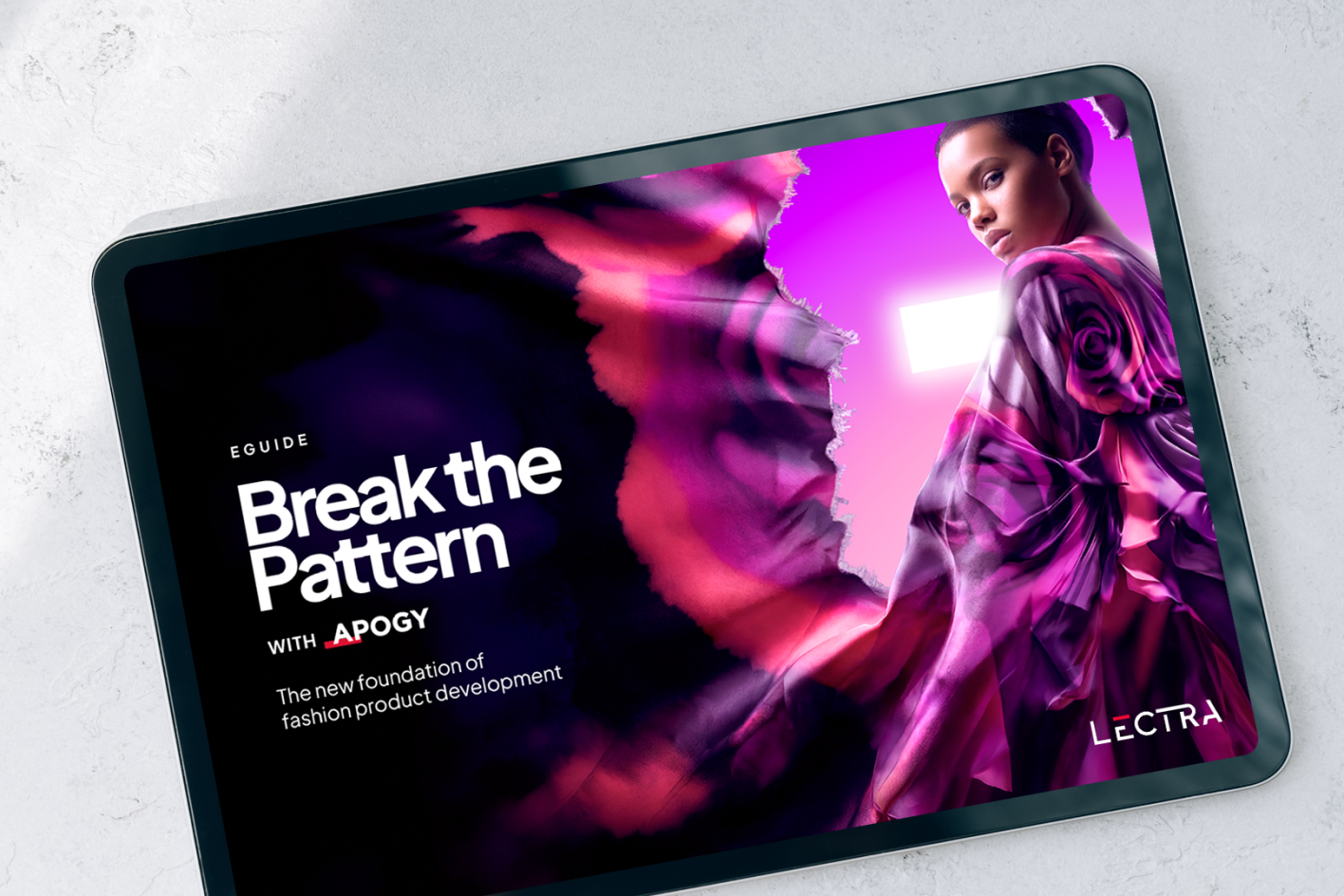
Moving to this model requires a structured transformation and the right technological foundation. Our new eguide, The new foundation of product development, details how companies can:
- Improve visibility across product development teams
- Streamline workflows and reduce inefficiencies
- Accelerate time to market
- Enhance collaboration across the value chain
- Integrate sustainability earlier in the process
Why transformation matters
As product development becomes more complex, addressing these challenges is critical to maintaining competitiveness. Organizations that succeed will be those that can break down silos, improve visibility, leverage data and technology, and align teams across the value chain.
Download the eguide to discover how you can break the pattern with Apogy.
Eguide
Discover Apogy
Break free and join the AI-native product development revolution
Related content