What is a digital cutting room in fashion manufacturing
Smart, connected, and agile—digital cutting rooms are transforming fashion.

The new rhythm of fashion: fast, flexible, and on demand
Fashion no longer follows a predictable seasonal calendar. Today’s brands thrive on micro-collections, personalized drops, and on-demand production. This evolution calls for a production model that is not only fast, but also flexible, scalable, and intelligent.
Yet many manufacturers continue to rely on manual workflows in the cutting room—one of the most critical stages of garment production. These outdated methods slow execution, generate unnecessary waste, and restrict responsiveness.
In contrast, digital cutting rooms enable a smarter, more agile approach: one where efficiency, precision, and adaptability become standard practice.
What is a digital cutting room?
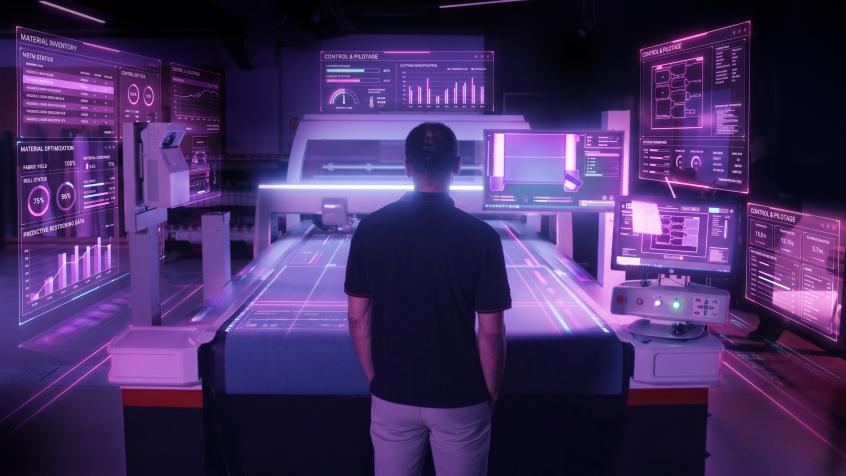
A digital cutting room is a connected ecosystem that integrates software, equipment, and data to manage the entire cutting process—from order intake to execution. It replaces manual planning, paper-based instructions, and isolated machines with:
- Automated cut order planning
- Real-time data exchange across systems
- Centralized dashboards for performance monitoring
- AI-powered fabric estimation and nesting
- Seamless integration with ERP, PLM, and MES platforms
This transformation turns the cutting room into a smart production hub, capable of adapting instantly to shifting demand, rising product complexity, and evolving sustainability requirements.
Why digital cutting rooms matter more than ever
Speed and responsiveness
In a digital cutting room, orders are processed in minutes rather than hours. Automated planning and execution enable manufacturers to:
- Launch new styles quickly
- Switch seamlessly between product types with minimal downtime
- Manage small series and custom orders efficiently and profitably
As Outfit21, a Lectra customer, shared:
“With our new cutting setup, we can finish one marker and start another with almost no interruption. We’ve gained 20 to 30% in profitability just by speeding up transitions.”
This kind of responsiveness is essential for brands operating in fast fashion, DTC, or personalized product segments.
Agility in managing complexity
Modern fashion collections encompass a wide variety of fabrics, sizes, and styles. A digital cutting room simplifies this complexity by:
- Automatically applying cutting rules based on product and material specifications
- Managing multiple cutting lines (single-ply, multi-ply) in parallel
- Adapting nesting strategies to optimize yield across diverse orders
This agility enables manufacturers to handle variety at scale—maintaining speed and consistency while controling costs and material usage.
Real-time visibility and control
One of the greatest challenges in traditional cutting rooms is the lack of visibility. Production managers often rely on operator feedback or manual tracking to understand what’s happening on the floor.
Digital cutting rooms eliminate this blind spot by providing:
- Live dashboards displaying order status, machine performance, and material usage
- Alerts and analytics to detect bottlenecks or anomalies in real time
- Centralized data accessible across sites and teams
This transformation is already delivering results. Chicago Protective Apparel (CPA), a U.S.-based manufacturer of protective garments, experienced it firsthand:
“With Valia Fashion, we now have real-time visibility across our U.S. and Mexico facilities. We’ve reduced quality defects by 10% and cut material readiness time to just five days,” explains Ernesto Alacio, Director of Operations at CPA
Seamless integration with your digital ecosystem
A digital cutting room does not operate in isolation—it connects seamlessly to the broader digital infrastructure of the company. Through APIs and cloud-based platforms, it integrates with:
- ERP systems for order and inventory management
- PLM tools for product specifications and design data
- MES platforms for shop floor execution and control
This connectivity ensures that cutting operations are fully aligned with business objectives, product timelines, and supply chain constraints— transforming the cutting room into an integral part of the end-to-end digital value chain.
Use case: enabling on-demand production
Consider the example of a brand launching a personalized capsule collection. In a traditional cutting room, the process would typically involve:
- Manual planning for each variant
- Physical setup for each fabric type
- Extended lead times with a high risk of error
In a digital cutting room, the same process is radically simplified:
- Automated cut order generation based on customer selections
- Smart nesting adapted to fabric and size combinations
- Real-time execution with minimal setup requirements
The result is true on-demand production at scale—reducing waste, improving margins, and accelerating time-to-market, while meeting the growing consumer demand for personalisation and speed.
The impact: measurable gains in agility and efficiency
Fashion companies that have adopted digital cutting rooms report substantial operational improvements, including:
- Up to 80% faster order processing
- 30–50% reduction in fabric waste
- Significant decreases in setup time between jobs
- Improved capability to manage small series and customized orders
- Higher machine utilization and operator productivity
These gains translate directly into better margins, shorter time-to-market, and greater customer satisfaction— strengthening both competitiveness and long-term sustainability
Why agility starts with cutting
While design and sourcing often take the spotlight, the cutting room is where production agility truly begins. It’s the first point of execution—and the stage that determines how fast, flexible, and sustainable your operations can be.
Digital cutting rooms enable fashion businesses to:
- Respond instantly to market trends
- Launch new collections with confidence
- Scale production without adding complexity
- Align operations with sustainability objectives
In short, they transform the cutting room from a bottleneck into a decisive competitive advantage.
Ready to make your cutting room digital?
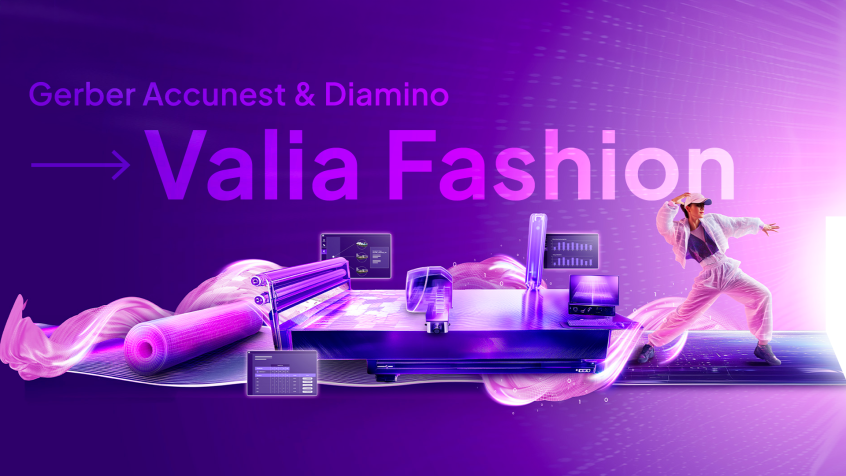
Valia Fashion Manufacturing is Lectra’s intelligent platform designed to digitize and optimize cutting operations. From automated planning to real-time monitoring, it enables manufacturers to:
- Accelerate production
- Reduce material waste
- Improve agility across product types and volumes
- Integrate seamlessly with existing ERP, PLM, and MES systems
Frequently Asked Questions (FAQ)
A digital cutting room is a connected environment where software, machines, and data work together to automate and optimize the cutting process.
Unlike traditional setups, digital cutting rooms offer real-time visibility, automated planning, and seamless integration with ERP/PLM systems, reducing manual work and errors.
Manufacturers report up to 80% faster order processing, 30–50% less fabric waste, and significantly improved machine utilization.
Absolutely. It supports both high-volume manufacturing and agile, on-demand production thanks to its flexibility and automation capabilities.
Related Content