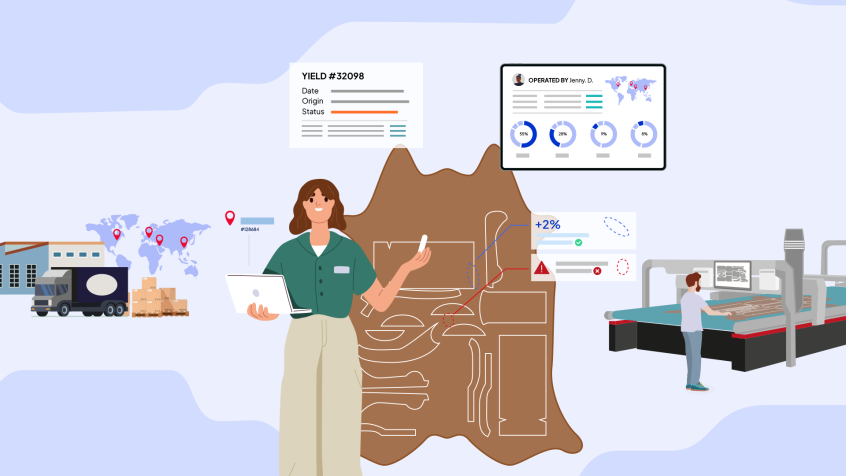
Precision cutting for medical device manufacturing
Medical device manufacturing is entering a new era of complexity. As products become smaller, more customized and highly regulated, manufacturers must ensure extreme precision, full traceability and strict compliance across every step of production.
In this context, material cutting is no longer a secondary operation. It has become a critical process that directly impacts product quality, patient safety and regulatory performance.

Why cutting is critical in medical device manufacturing
In medical devices, fabrics and technical materials are central to product performance, particularly in applications such as wearables, implantables and patient-specific devices.
 The cutting process plays a decisive role in ensuring that components fit together precisely, maintain consistent geometry and meet strict hygiene standards. Even minor deviations can lead to assembly issues, contamination risks or non-compliance with regulatory frameworks such as FDA or MDR.
Manual processes and legacy systems introduce variability, limit traceability and increase dependency on operator expertise—creating risks that are increasingly difficult to justify in regulated environments.
A growing set of operational and regulatory challenges
Medical device manufacturers must now operate under increasing pressure, driven by technical complexity, regulatory requirements and economic constraints.
They face several key challenges:
- Extremely tight tolerances and repeatability requirements across batches and sites
- Strict sanitation constraints in clean-room environments
- Rising material costs, making waste reduction critical
- Increasing need for end-to-end traceability
- Labor shortages and the need to reduce reliance on specialized skills
At the same time, the rise of personalized devices is driving smaller production batches and greater variability, requiring more flexible production systems.
The role of digital cutting in improving performance
To meet these challenges, manufacturers are increasingly adopting digital and automated cutting technologies. These solutions transform cutting from a standalone task into a connected, data-driven process.
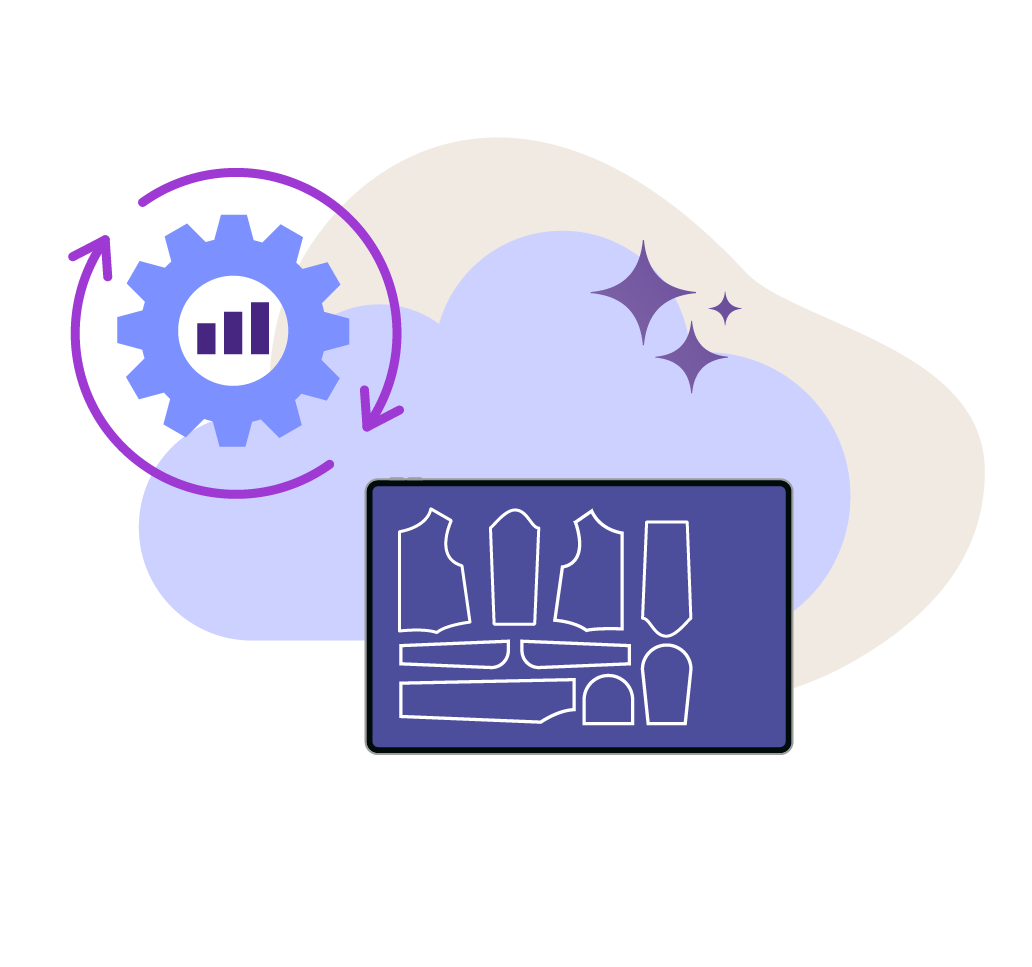
They enable manufacturers to improve performance in three key areas:
- Precision: consistent, repeatable accuracy across materials and production runs
- Compliance: built-in traceability and audit-ready documentation
- Efficiency: reduced waste, fewer defects and better resource utilization
By combining automation with data visibility, digital cutting helps reduce risk while improving overall operational control.
How Lectra supports medical device manufacturers
Lectra brings together cutting equipment, software and connected services to address the specific constraints of medical device manufacturing.
Its approach combines several complementary capabilities:
- Automated cutting to ensure consistent and repeatable results
- Intelligent nesting to optimize material usage
- Built-in traceability to support compliance requirements
- Connected systems to enable real-time monitoring and integration
This integrated model allows manufacturers to improve precision while gaining better control over costs, performance and regulatory compliance.
Measurable impact on production performance
The adoption of automated cutting technologies delivers tangible results across production environments. By reducing manual tasks and standardizing operations, manufacturers can significantly improve consistency and throughput.
Some companies have reported productivity gains of up to four times, alongside reductions in material waste and improved reliability. These improvements directly support both operational performance and regulatory compliance.
Enabling the future of medical manufacturing
As regulatory demands continue to increase and products become more complex, manufacturers must rethink their production models. Digital cutting enables them to combine precision, flexibility and traceability within a single, scalable framework.
By modernizing this critical step, companies can not only address today’s challenges but also build more resilient, efficient and future-ready manufacturing operations.
Factsheet
To go further
Get in touch
Related content