Future-proofing fashion product development
Key takeaways
- Fashion product development suffers from manual, disconnected workflows that limit agility and visibility.
- Data is becoming the essential link between design intent and production execution.
- Future-ready teams must balance digital capability with craftsmanship to remain competitive.
- Preserving expertise while adopting intuitive, connected systems strengthens resilience.
Bridging design and production
While creativity, customer experience and brand identity are often celebrated, the real transformation happens behind the scenes, within the concept‑to‑market journey. This is where an idea is shaped into a product that can be manufactured, meets regulatory standards, and stands out competitively. Yet many product development processes still rely on manual workflows, fragmented communication and outdated tools that inflate costs and leave valuable data untapped.
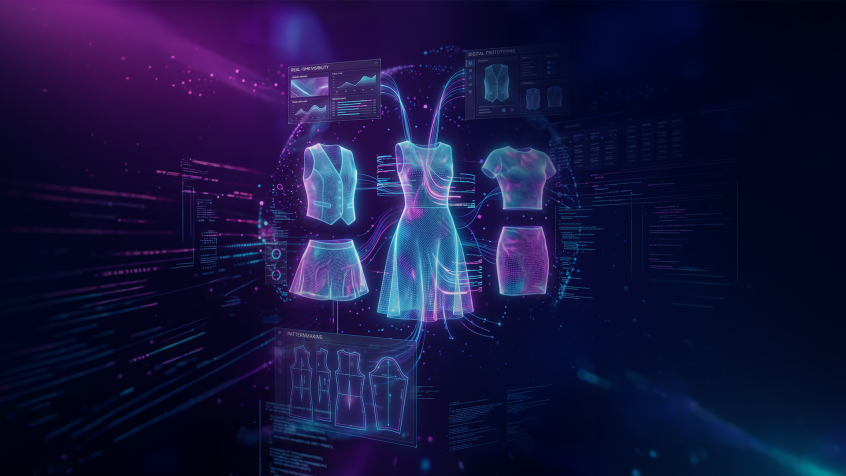
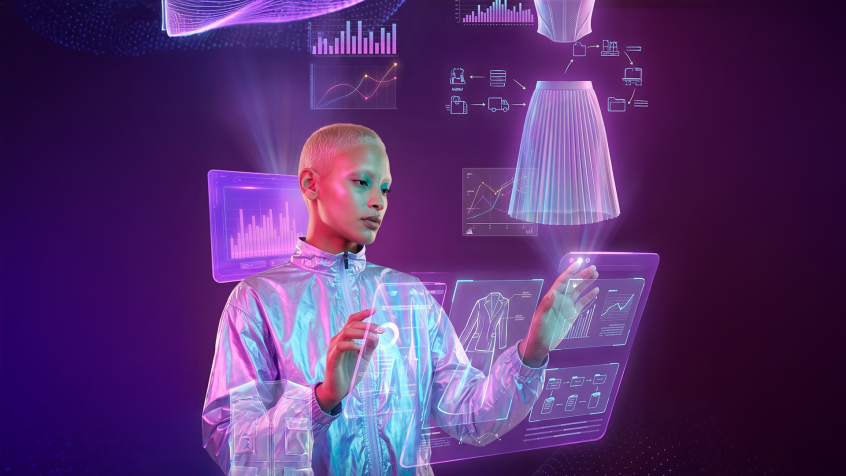
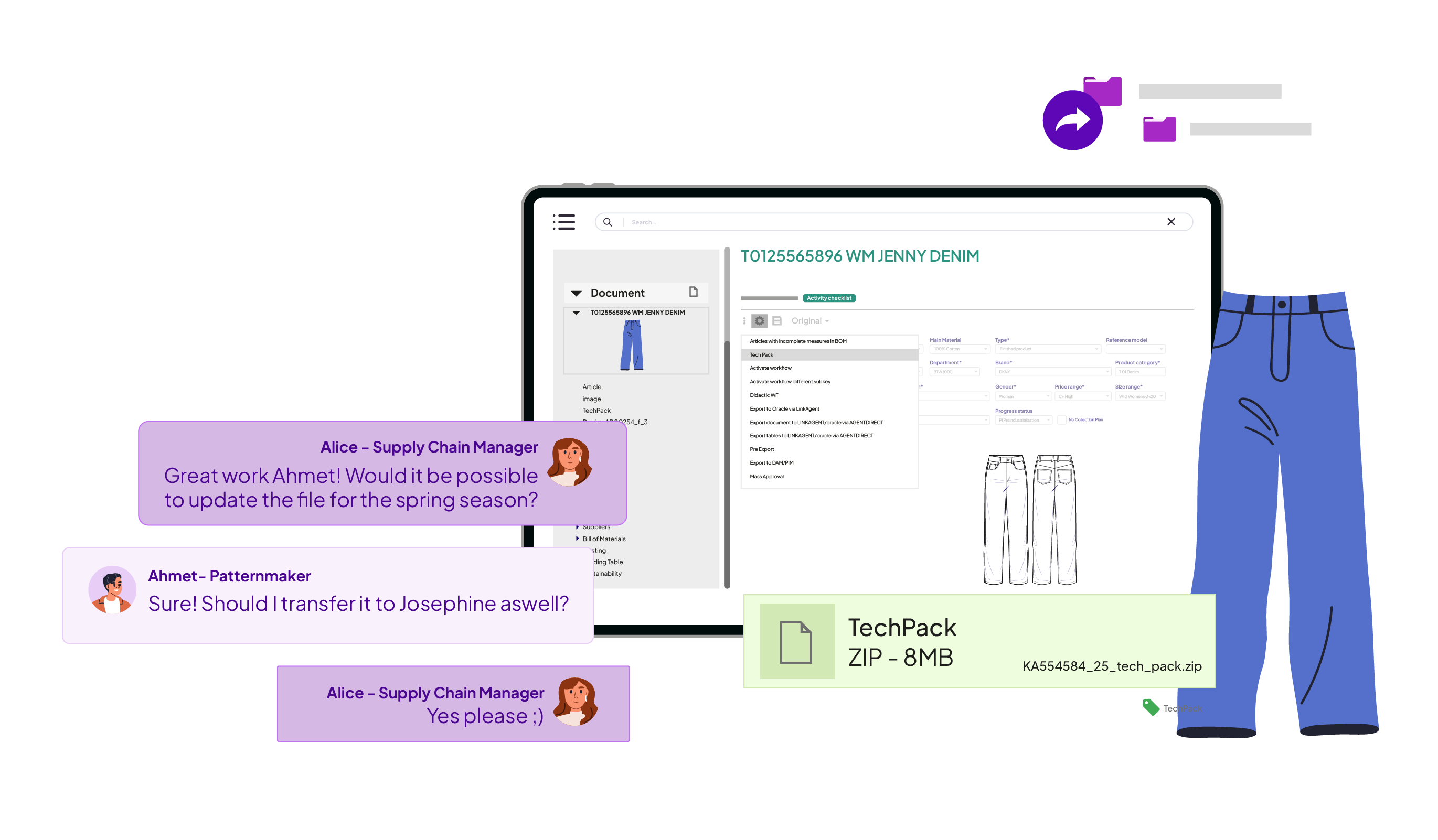 To compete in an unpredictable landscape, brands must modernize their product development foundations. AI and advanced 2D/3D technologies offer powerful opportunities to speed up work, unlock insights and reduce repetitive tasks. But true transformation requires more than adopting new tools — it demands integrating data, strengthening expertise and rebuilding the link between creative and production teams. Only then can brands achieve future-ready product development.
Cultivating talent and preserving expertise
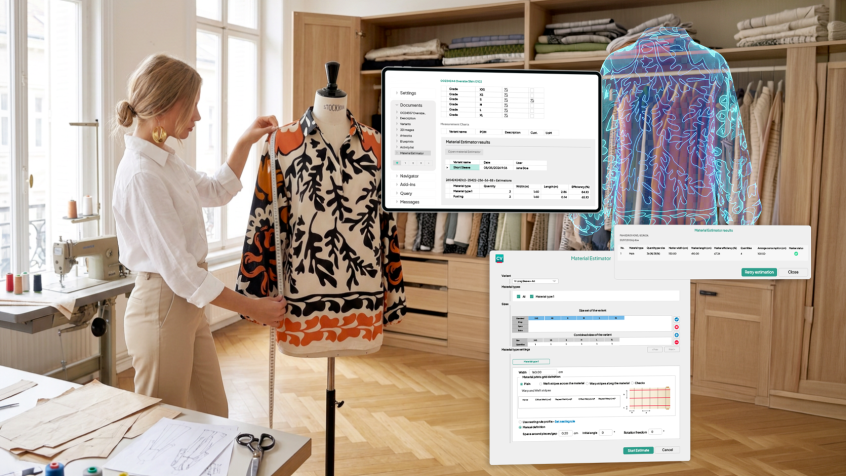
As product development evolves, strengthening talent requires bridging traditional craftsmanship with digital capability. Core tasks such as patternmaking, grading, and measurement planning have long depended on skilled technicians. While CAD and PLM systems now support these functions, they are often fragmented and unevenly adopted. Real progress depends on making technology intuitive and accessible for both digital-native talent and experienced teams whose hands-on expertise remains essential.

The objective is not to replace analog skills, but to integrate them. Future-ready teams must move seamlessly between physical and digital tools, with knowledge systematically captured and shared across functions. By aligning human expertise with connected systems, brands can reduce manual handoffs, improve collaboration, and build more resilient product development operations.
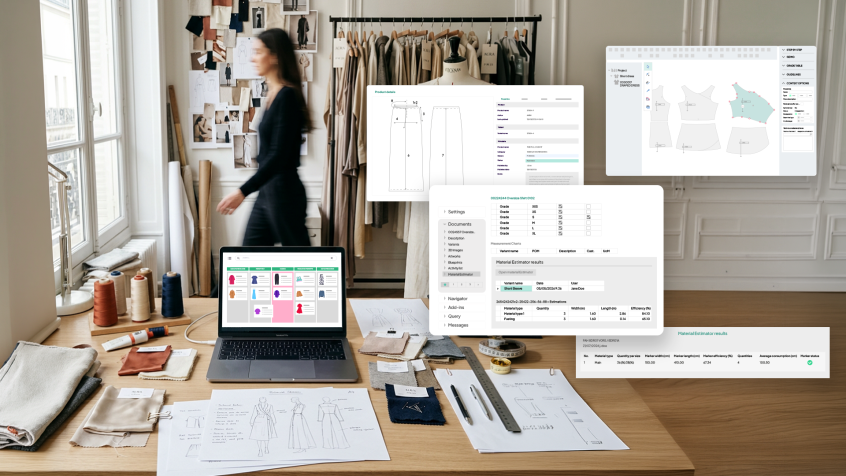
Using data to connect garment design and production
As fashion accelerates automation and AI adoption, data is becoming the critical link between design intent and production execution. Yet 67% of organizations cite skills gaps as the biggest barrier to transformation. Real progress requires more than new tools—it demands stronger digital capabilities, integrated data, and closer alignment between design and production. When technology is intuitive and tied to clear outcomes, it connects creative, technical, and production teams instead of fragmenting them.
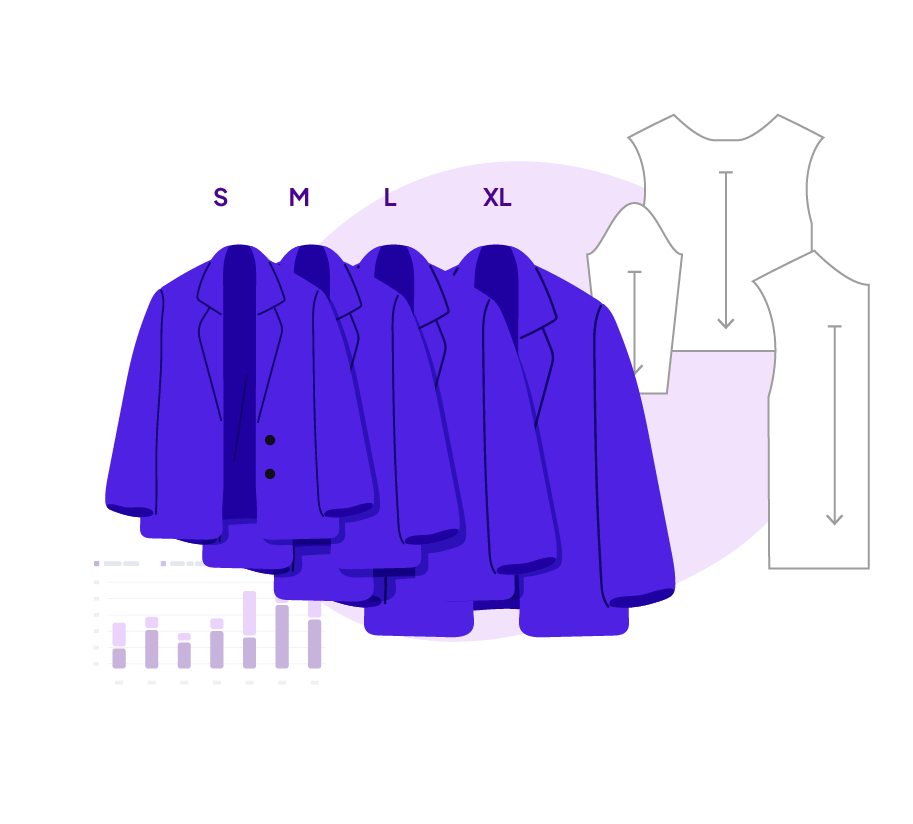 Data is also key to preserving brand DNA in a digital workflow. As tacit knowledge becomes harder to retain, expertise must be embedded in connected CAD and PLM systems. Capturing fit, material, and construction insights in structured data reduces errors and frees teams from repetitive tasks—creating a smoother path from concept to factory while balancing creativity with precision.
Advancing product development through technology
To future-proof product development, fashion brands must adopt technology in ways that attract and support both new and existing talent—balancing human craftsmanship with digital capability rather than replacing it. A thoughtful, people-first approach that integrates AI into connected systems will not only preserve brand DNA, but also build more resilient, future-ready businesses.
Read our white paper
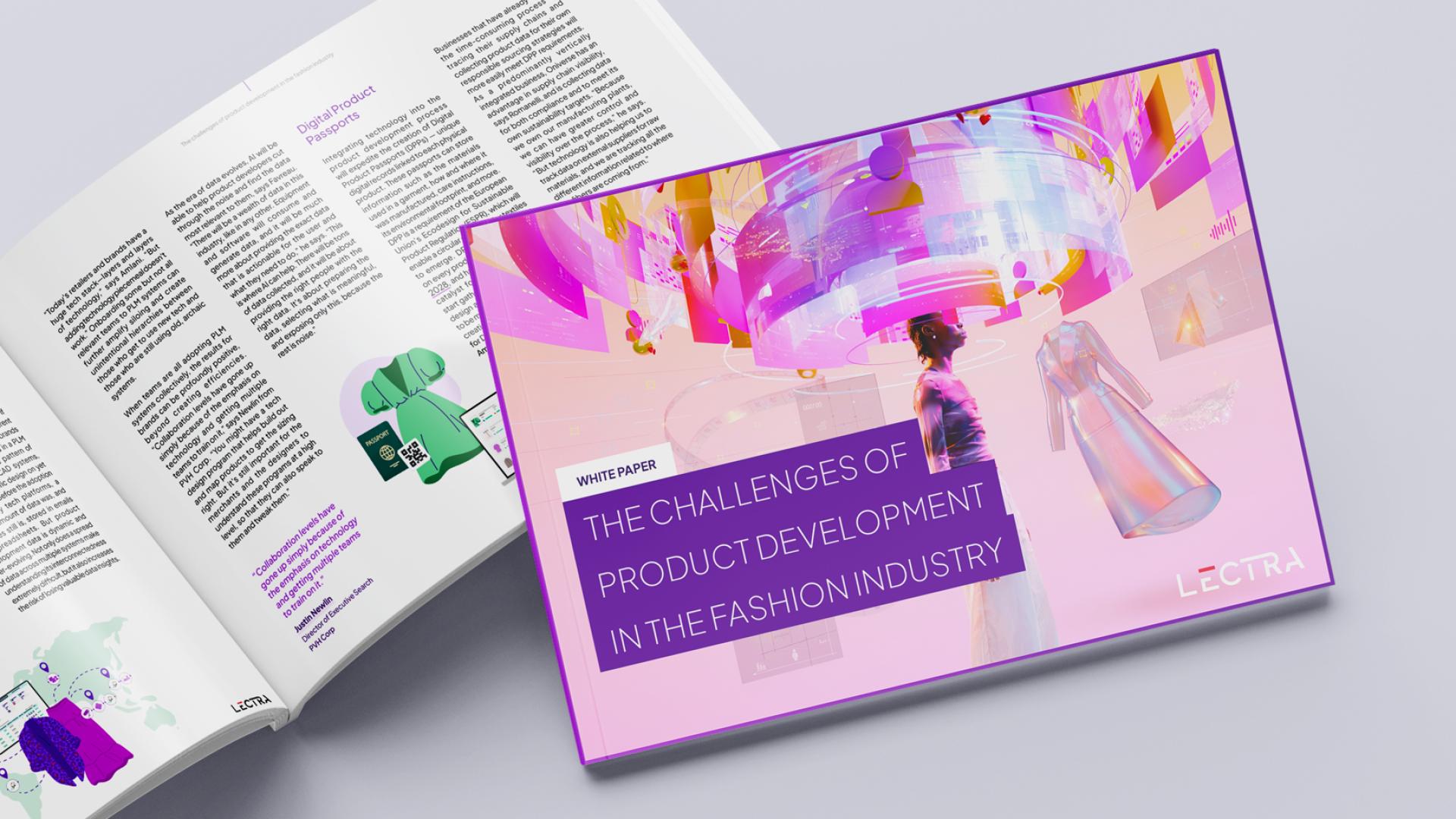
Download our white paper to explore expert perspectives from six garment professionals on how AI, data, and technology are reshaping product development—and learn actionable strategies to future-proof your brand.
The challenges of product development in the fashion industry
Related content