When and why fashion brands replace their PLM
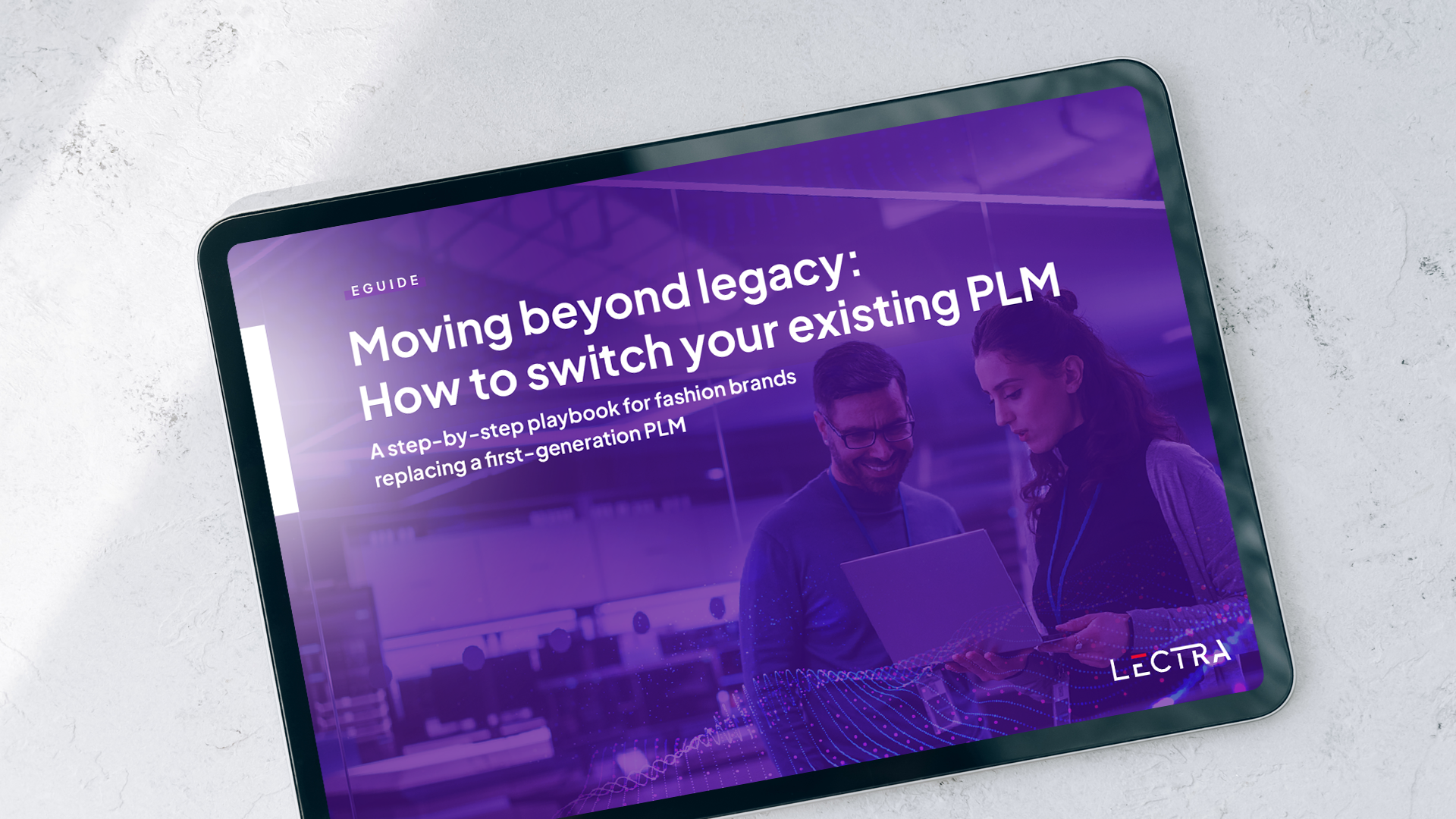
Many fashion brands reach a point where their PLM no longer supports speed, scale, or regulatory demands. This eguide helps you recognize the signs that it’s time for change.
Why legacy PLM becomes a challenge in fashion
Fashion brands operate under constant pressure. Product cycles are accelerating, assortments are expanding, supply chains are global, and sustainability regulations are tightening. In this context, product data must be accurate, accessible, and reliable across the entire lifecycle.
Yet many brands rely on a PLM system implemented years ago to address very different challenges. While it may have structured product information initially, legacy PLM systems often struggle to evolve with today’s fashion business models.
Over time, what was designed to support teams starts to slow them down. Processes become rigid, data harder to trust, and collaboration more complex. PLM stops being an enabler and gradually becomes a constraint.
Understanding why fashion brands replace their PLM starts with recognizing this shift.
Common limitations of first PLM implementations
Across the fashion industry, similar patterns emerge when PLM systems reach their limits.
- Workflows that no longer reflect fashion realities, slowing seasonal development
- Heavy customization, increasing cost and complexity over time
- Fragmented product data, as teams fall back on spreadsheets
- Low user adoption, reducing consistency and visibility
- Limited sustainability and traceability capabilities, increasing compliance risk
Individually, these issues may seem manageable. Together, they signal that the PLM no longer fits the organization’s needs.
Five signs it may be time to replace your PLM
PLM replacement is rarely a sudden decision. It is usually driven by accumulated operational friction. Common warning signs include:
- Product development timelines are slipping
- Teams spend more time fixing data than using it
- Reporting requires manual consolidation
- New categories or markets strain the system
- Sustainability data is difficult to track or audit
When these symptoms persist, PLM becomes a business risk rather than a support tool.
Why PLM replacement is now a strategic topic
PLM sits at the center of product development, sourcing, costing, and compliance. When it underperforms, decision‑making across the organization is affected.
At the same time, regulatory pressure is increasing. Sustainability requirements and initiatives such as Digital Product Passports demand structured, reliable product data. Many legacy PLM systems were not designed to support this level of traceability.
As a result, more fashion leaders are reassessing the role of PLM—not from a technology perspective, but from a business and governance standpoint.
What you’ll learn in this eguide
This eguide is designed for fashion leaders who want to understand the challenges of legacy PLM, not choose a solution.
Inside, you’ll explore:
- Why first PLM implementations reach their limits
- The most common reasons fashion brands replace PLM
- How growth and regulation expose PLM weaknesses
- What capabilities have become essential today
The goal is simple: help you recognize when your current PLM is no longer supporting your business.
Related content