Furniture firms thriving amid tariffs and turbulence
Amid rising tariffs and global uncertainty, furniture companies are rethinking operations. Find out how forward-thinking companies are building resilience through smart manufacturing.

New tariffs shake up upholstered furniture industry
In 2025, U.S. trade policy significantly impacted the upholstered furniture industry. A 25% tariff currently applies to imported upholstered wooden furniture, as well as related products such as cabinets and vanities. While higher tariff increases were initially planned for January 1, 2026, the U.S. administration announced a postponement, keeping the 25% rate in place through 2026. Unless new trade agreements are reached, higher tariff levels are now expected to take effect in 2027. This evolving landscape continues to pressure manufacturers to adapt sourcing, pricing, and production strategies.
Ready to rethink your process?

Smart solutions for a shifting landscape
In the face of steep tariff increases and general uncertainty, Lectra empowers furniture companies with powerful solutions that help them build resilience into their business model, boost competitiveness, reduce costs, and accelerate local or nearshore production.
This situation is also an opportunity to rethink production processes, optimize resources, and ensure agility in a changing market.
Reduce costs and lead times with innovative Industry 4.0 solutions
In today’s climate, every inch of fabric or leather saved and every labor hour optimized can make a significant difference to the bottom line.
Cut costs with precision
With material accounting for 60% of production costs, cost control is essential. By automating fabric and leather cutting, with Vector Furniture and Versalis respectively, companies can significantly lower material consumption.
The advanced nesting capabilities, of Versalis for example, enable manufacturers to maximize hide usage and achieve up to 10% more material efficiency - which means a waste reduction by up to 34%.
Vector Furniture delivers fast, precise fabric cutting with minimal downtime. It helps manufacturers reduce energy consumption by up to 30% compared to older systems, optimize fabric use, and maintain high throughput.
In addition, analytics provide full visibility across all production stages, enabling continuous optimization and ensuring optimal adaptability in the face of change.
As manufacturers consider reshoring production, labor shortages pose a challenge. Automation helps bridge the gap, enabling companies to scale efficiently without relying on large pools of skilled workers.
Adapt fast, deliver faster
In addition to material and labor savings, Lectra’s Furniture On Demand solution, powered by Valia Furniture, supports agile production models that are ideal for today’s volatile market conditions.
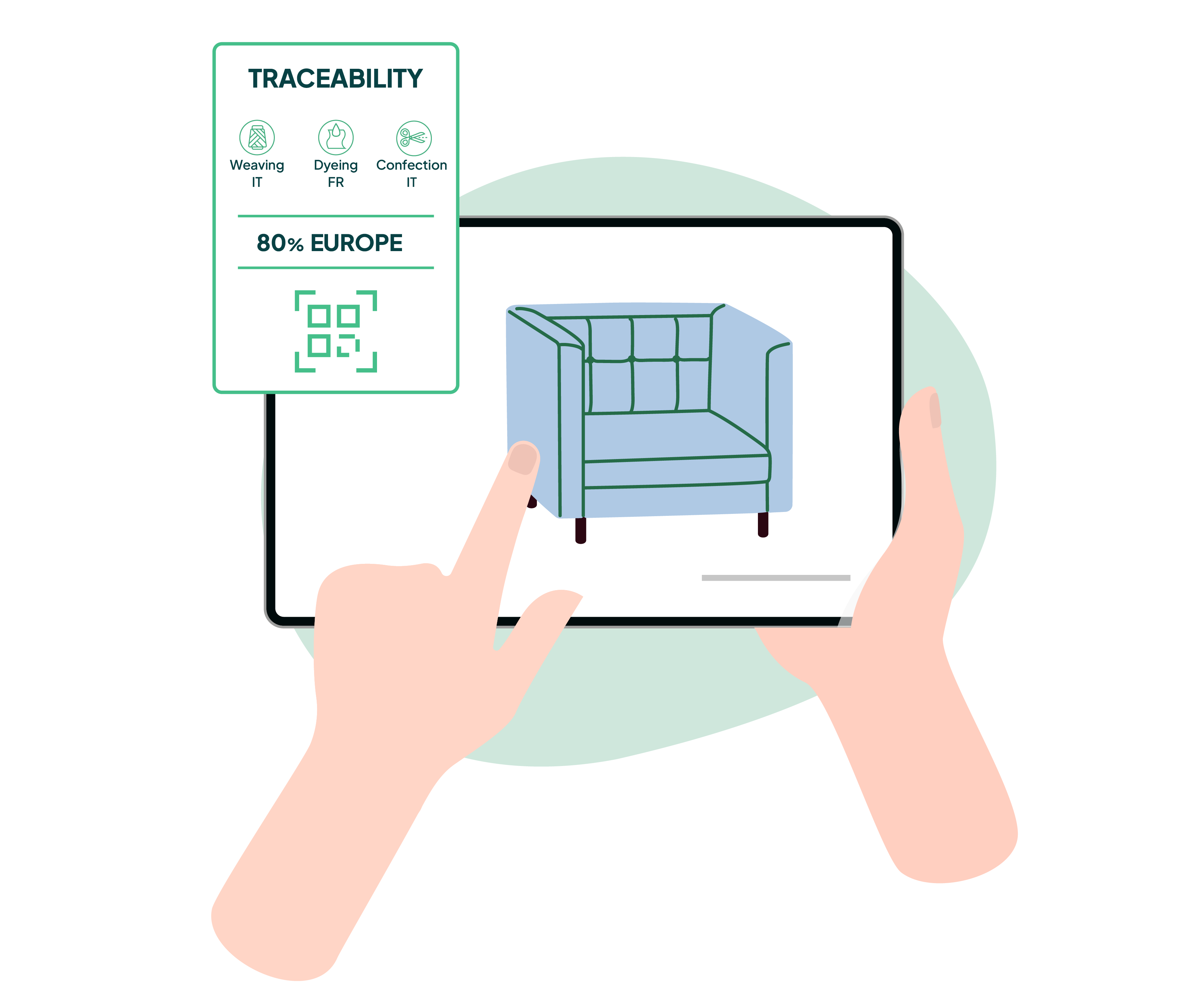
By enabling batch-size-one workflows and automating order processing, manufacturers can reduce inventory levels and respond more quickly to changing consumer demand, critical in a market where long lead times and excess stock can erode margins.
Balance customization and cost-efficiency
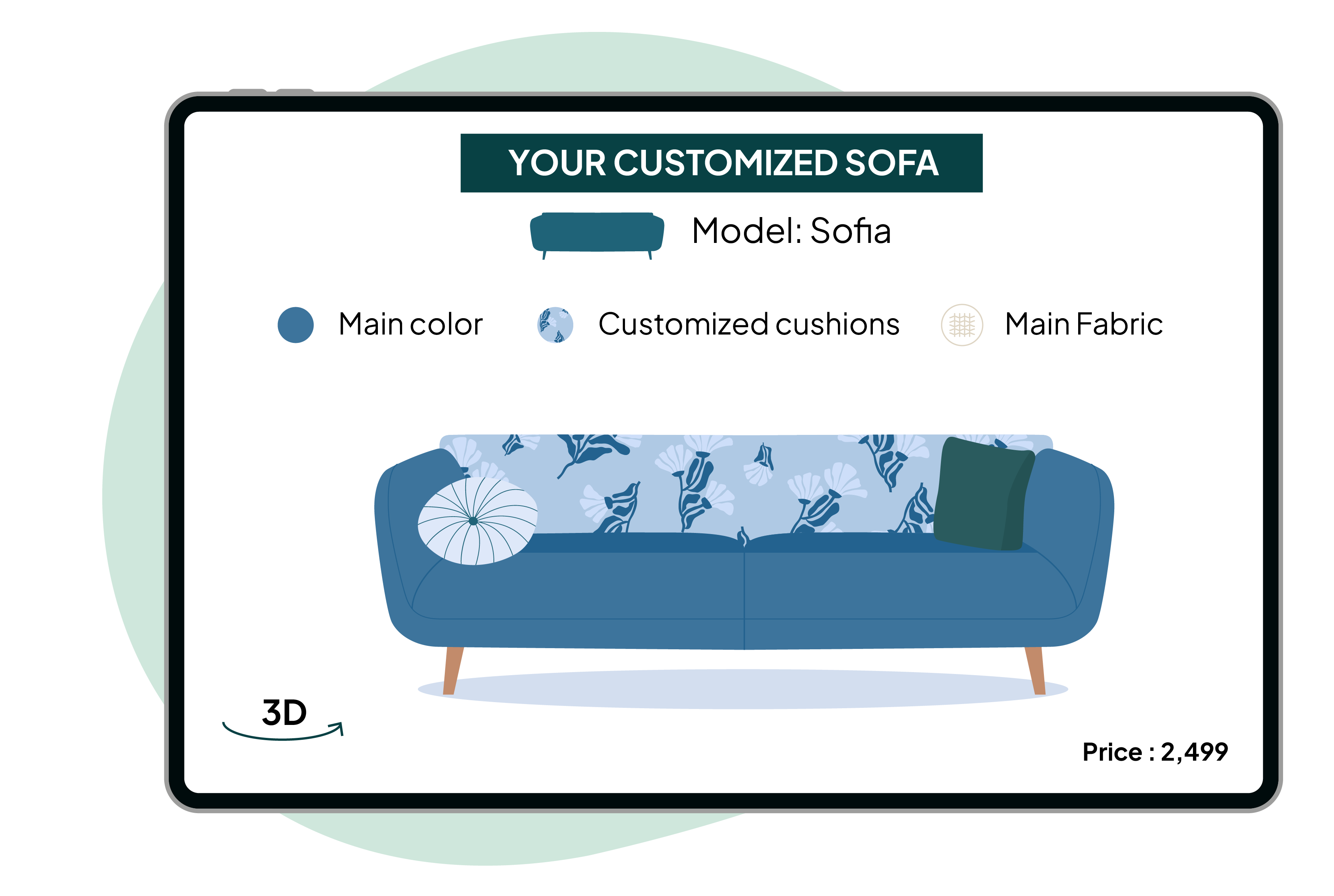
As consumer expectations shift toward personalized products and local responsiveness, furniture manufacturers face the challenge of balancing customization with cost-efficiency. Mass customization provides a strategic way forward. It allows companies to produce what consumers want, when they want it, without risking unsold stock.
Smarter customization with Furniture On Demand and Valia
Furniture On Demand, along with Valia Furniture, is specifically designed to support made-to-order or mass customization production models. It automates key steps in the production process, such as order processing, nesting, and cutting, enabling manufacturers to efficiently produce customized furniture at scale.
This not only reduces the risk of unsold inventory but also improves customer satisfaction by allowing for greater design flexibility and faster delivery times. By aligning production with actual demand, companies can reduce waste and improve profitability, even in a tariff-heavy environment.
Gain full visibility with data-driven processes
Now more than ever, furniture manufacturers need to find efficiency wherever possible. Valia Furniture helps achieve this by improving production floor operations, the area where small gains can have a big impact.
Visibility, efficiency and control on the production floor
By embedding cutting room expertise into standardized production rules, ValiaFurniture helps teams work more consistently and efficiently. Cutting orders are automatically allocated to maximize material savings, which is especially valuable when raw material costs are rising, and margins are under pressure.

Just as importantly, Valia Furniture gives manufacturers visibility into their operations. With intuitive visualization tools, teams can monitor performance in real time, identify bottlenecks, and make targeted improvements. This kind of insight allows companies to stay agile and responsive—even when external conditions are unpredictable.
Resilience in a volatile market
Lectra’s solutions are well-suited to help companies protect and optimize margins, especially during volatile times.
By enabling smarter production, waste reduction, and agile, demand-driven manufacturing, Lectra helps businesses respond quickly to consumer demands while keeping costs under control.
Additionally, real-time data and advanced analytics give decision-makers the visibility and insights needed to enhance production performance and continuously refine operations to maximize profitability.
Navigating 2026 in upholstered furniture manufacturing
Related content