5 key trends redefining fashion in 2026
Persistent geopolitical tensions, new sustainability regulations, and disruptive AI are changing the game – here are five industry trends you can’t ignore.
1. Digitalization and Industry 4.0 technology: A must-have survival kit
Digitalization is no longer optional – it is now a survival tool.
 In fashion, data has become a competitive asset, driving decisions and innovation. Its importance is further amplified by the rise of AI, transforming all aspects of the industry. From design to collaboration, production, marketing and traceability, AI operates at multiple levels:
- Data research and collection to feed models
- Automated processing for categorization, classification
- Content generation for marketing campaigns
AI-driven retail, known as agentic commerce, is now redefining the customer experience and brand visibility strategies for retail.
Gradually, GEO (Generative Engine Optimization) may overtake traditional search engines that are costly with diminishing ROI. This requires fashion companies to make product data richer, contextualized, and accessible to AI agents.
2. The great supply chain reset
The trade tensions and tariffs between the U.S. and China are inciting fashion companies to diversify their production hubs.
U.S. based brands or those that are distributing to the American market are slowly turning away from China, which still accounts for 20% of U.S. apparel import share (Source: OTEXA).
Vietnam and Bangladesh are emerging as strategic hubs, while Indian exports are declining under the weight of high U.S. tariffs. Cambodia and Indonesia are seeing strong order growth but are hindered by their limited production capacity.
This global reshuffling is creating new challenges: weak supplier relationships, low investments, and gaps in industrial capacities. Players that have anticipated these shifts and invested in AI, automation, traceability and digitalization now have a competitive advantage.
3. Price vs. value: The new consumer trade-off
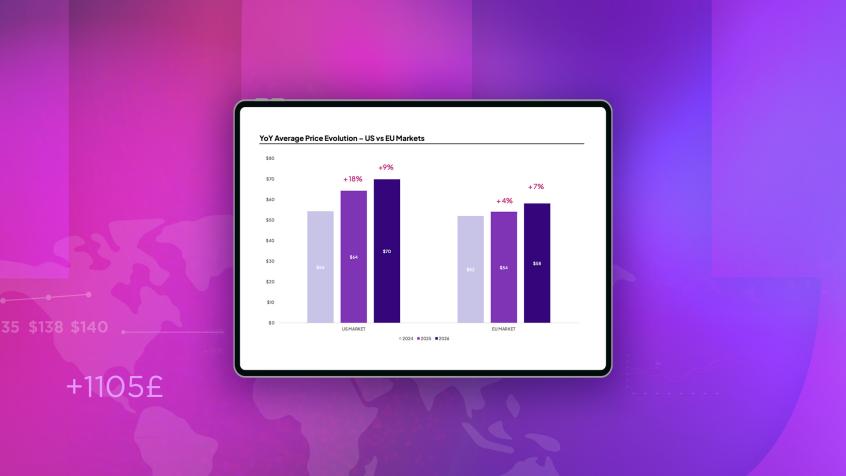
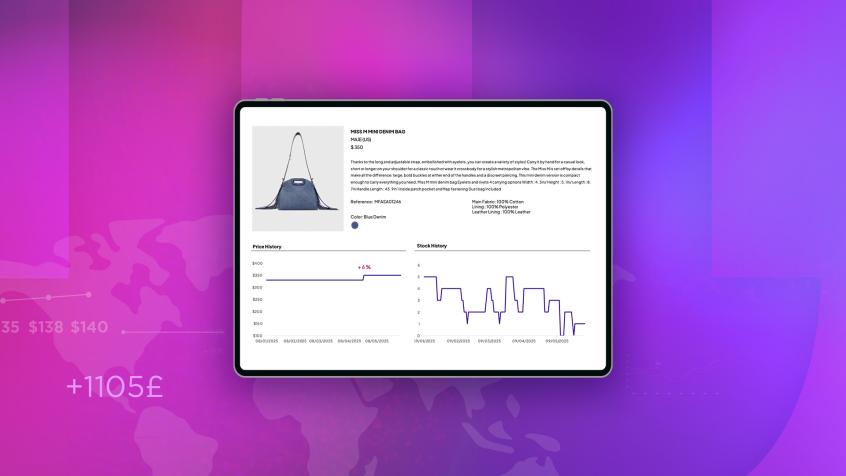
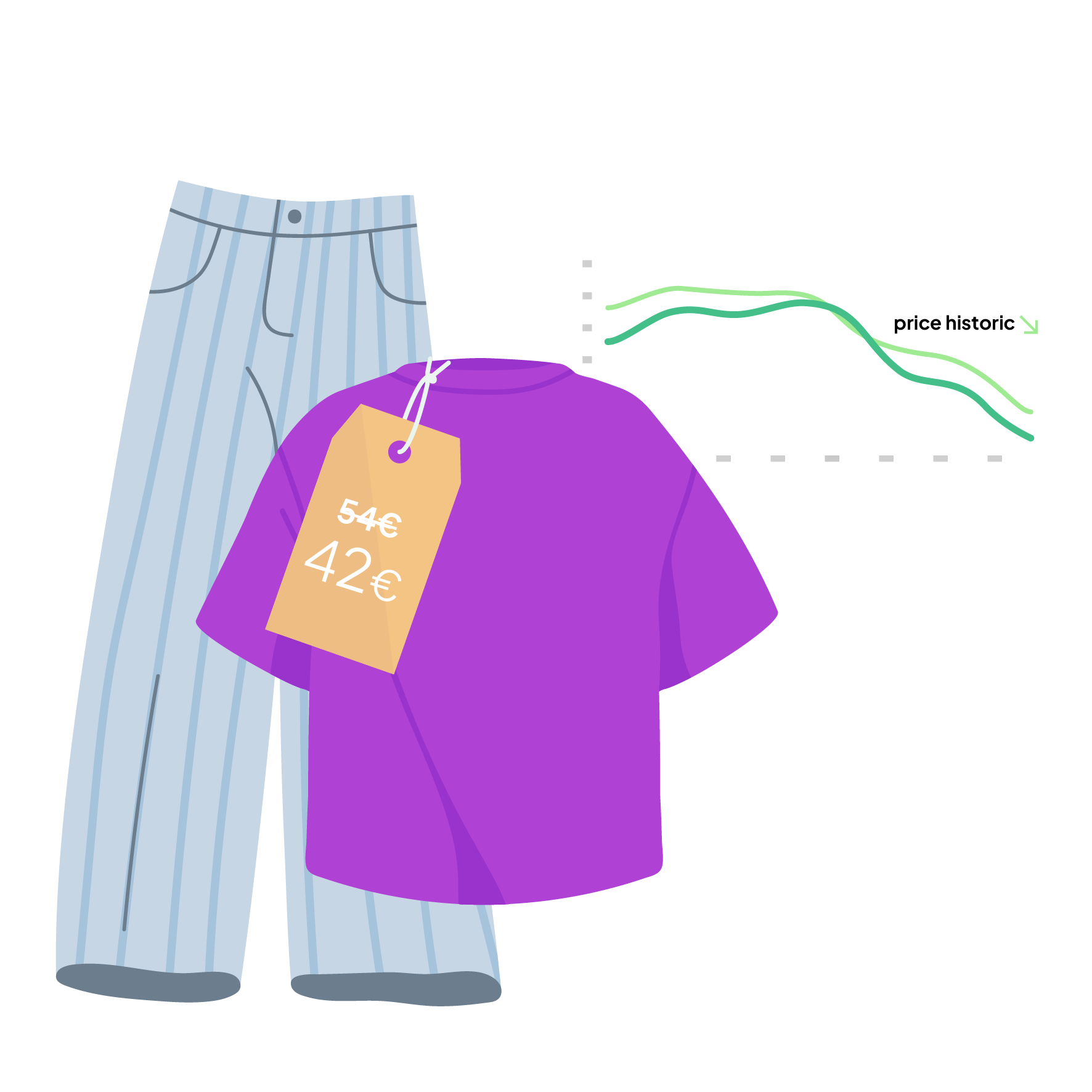 Price remains a key factor in purchase decisions, but now it is weighed against perceived product value. The luxury slowdown demonstrates that sharp price hikes are no longer justified, with outsourcing scandals, lack of transparency, and quality issues eroding perceived product value. The challenge now for brands is to enhance perceived value through quality, transparency, and commitment rather than engaging in price wars with ultra-fast fashion.
This tension leads to a revamp of assortments and pricing policies. Mid-market and premium brands have adjusted their mix to include more high-value products involving fewer promotions, which proved to be a winning strategy in 2025, according to McKinsey & Company.
4. Sustainability and regulatory compliance as a strategic imperative
In today’s fashion world, sustainability has shifted from choice to legal obligation. The EU is preparing to introduce stricter labeling standards, using measures such as eco-scores and Digital Product Passports, which are currently under discussion at the European Commission.
The goal is to provide consumers with greater transparency, but divergent approaches across European countries and a standardized rating system for brands make it difficult to generate comprehensive data. This hinders smaller, eco-friendly brands’ ability to compete with cheaper, ultra-fast fashion ones that withhold information on purpose.
For subcontractors, compliance is now an attractive selling point – but without reliable data, even the boldest CSR initiatives go unnoticed. This reinforces the need for technology that can deliver both sustainability and performance. An innovative solution like TextileGenesis can solve this issue by verifying material authenticity and sustainability via AI-driven tokens.

5. The continued rise of second-hand fashion
 The second-hand market keeps growing and is expected to expand two to three times faster than the first-hand market between 2025 and 2027 ( Business Of Fashion), driven by the consumers’ desire for better price-value amid declining purchasing power.
Platforms such as Vinted in Europe or The RealReal in the U.S. are continuing to gain traction, while increasingly more brands are incorporating resale into their models to lengthen product lifecycles.
Circular models such upcycling and recycling are facing challenges in ensuring material quality and traceability, limiting reprocessing. Scaling them will require greater investment in textile innovation.
Fashion: A world of constant change
We are operating in a landscape where uncertainty is the new normal.
Companies can no longer afford to delay the modernization of their operations, digitalization of processes, and the reinvention of their business models to absorb successive shocks. Those already taking the steps to build more resilient, sustainable businesses aligned with consumers seeking meaning and value – are best positioned to compete in this environment.
Fashion

Latest Resources