Fashion
Trends & insights

5 steps to prepare fashion brands for digital product passport and sustainability at scale

Digital Product Passport requirements are raising the bar on product data speed and accuracy—exposing serious system gaps across fashion. Brands that close this gap can turn regulatory pressure into a lasting competitive advantage.
Compliance as a catalyst for smarter, more transparent fashion

The launch of the Digital Product Passport (DPP), grounded in the Ecodesign for Sustainable Products Regulation (ESPR), marks a pivotal shift for the fashion industry. It replaces fragmented, voluntary initiatives with a unified, enforceable framework designed to boost transparency, enable circularity, and strengthen market oversight.

But the DPP is more than just a compliance requirement—it challenges brands to rethink how product data is captured, structured, and shared throughout the entire lifecycle—from design to end-of-use—creating the foundation for smarter, more accountable, and data-driven decisions.

Navigating the DPP—and the broader wave of sustainability demands—calls for a clear, actionable strategy. Here are five practical steps to help fashion brands turn ambition into pragmatic compliance.


#1 Create a single source of product truth

In many fashion organizations, product information is scattered across spreadsheets, emails, PLM systems, and supplier portals—leading to duplication, errors, and inconsistencies. Establishing a single, reliable source of truth is critical. It ensures data is accurate, consistent, and ready to support confident, informed decisions across the entire product lifecycle.


#2 Connect data across the lifecycle

Once you have a single source of truth, the next step is to unify design, sourcing, development, compliance, and production data within a shared system. This breaks down fragmented workflows, giving teams access to a continuously updated dataset that drives efficiency, improves alignment, and ensures everyone is working from the same reliable information.


#3  Enable traceability at scale

True traceability goes beyond simply collecting supplier documents. It demands systems capable of capturing, maintaining, and continuously updating supplier-level data across multiple tiers. Scalable traceability delivers the depth and reliability needed to meet compliance requirements, drive transparency, and build trust throughout the supply chain.


#4 Prepare for DPP outputs

Preparing for the DPP isn’t about producing a document at the end—it’s about having the right data available at every stage of the product lifecycle. When product and supply chain information is structured, connected, and up to date, DPP outputs can be generated automatically, transforming compliance from a manual chore into a seamless, built-in capability.


#5 Embed sustainability into operations

The final step is to move sustainability from a periodic reporting exercise into the core of everyday workflows. Provide designers, developers, and sourcing teams with shared data and tools that make sustainability insights visible and actionable in real time. When embedded at every stage, sustainability becomes a consistent driver of decisions—not an afterthought.

Sustainability accelerated across the fashion value chain

Whether sustainability initiatives are just getting started or already well underway, the goal is the same: to build a foundation that allows brands to adapt, comply, and thrive in an increasingly regulated, data-driven industry. The Digital Product Passport is accelerating this transformation—but its impact goes far beyond compliance. It is reshaping how product data is managed, how decisions are made, and how value is created across the entire lifecycle.

Brands that act now—investing in structured data, connected systems, and embedded sustainability—won’t just meet regulatory requirements. They will secure a lasting competitive advantage in a market that values transparency, accountability, and smart, data-driven decision-making.

Turn compliance into competitive advantage

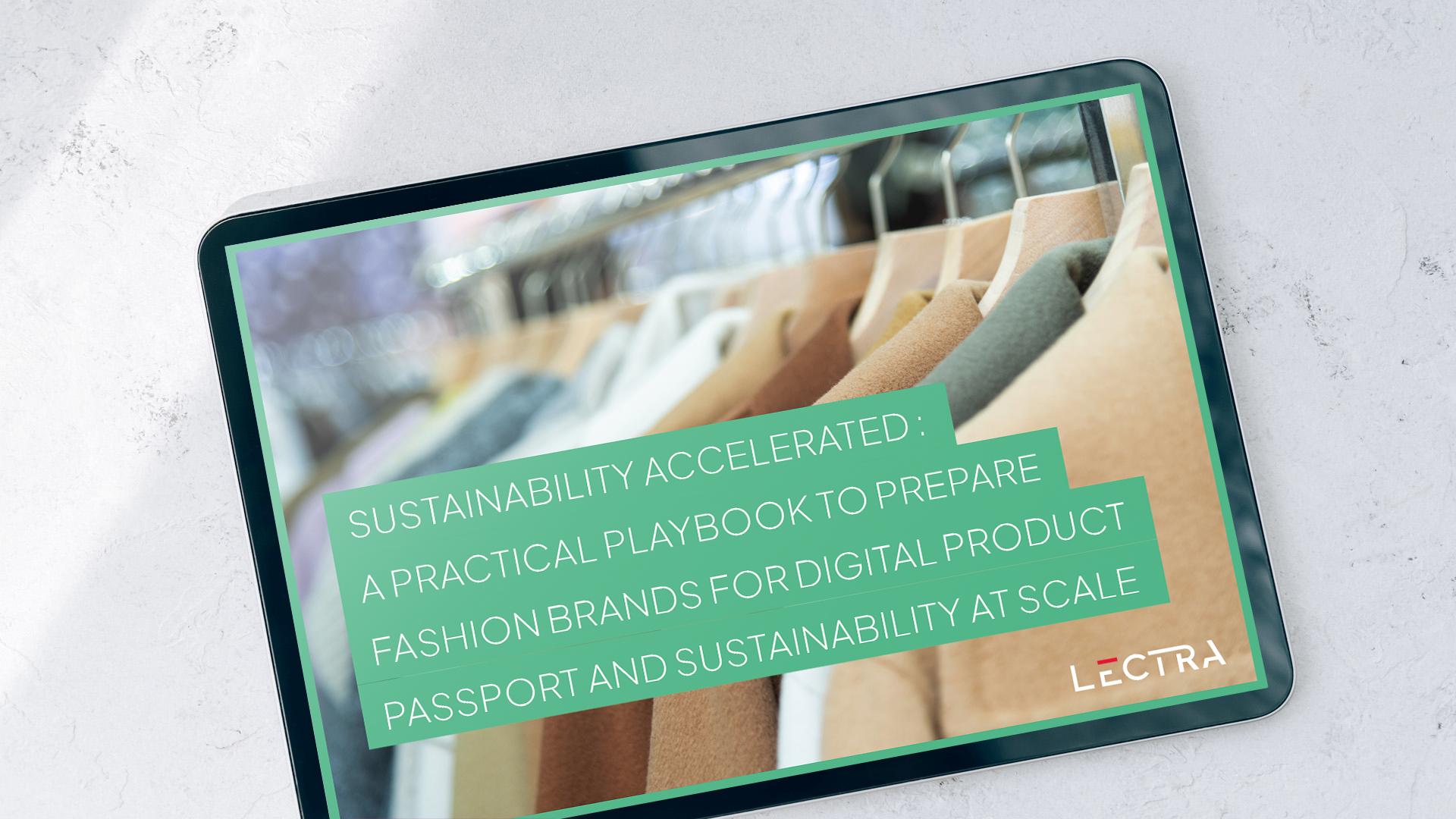
Download our eguide to discover a structured, pragmatic approach to DPP readiness—focused on building capabilities, accelerating progress, and scaling sustainably.
🔒 Your data is used only to send the document
📩 No unsolicited emails
🌍 Document available in English

Related content