



Filter by:
463 result(s)

Achieve exceptional quality and performance with a tension-free spreading solution.

Powering decision intelligence for fashion with ready-to-use fashion PLM, PIM, Board, Forms and agentic AI capabilities.
Fashion
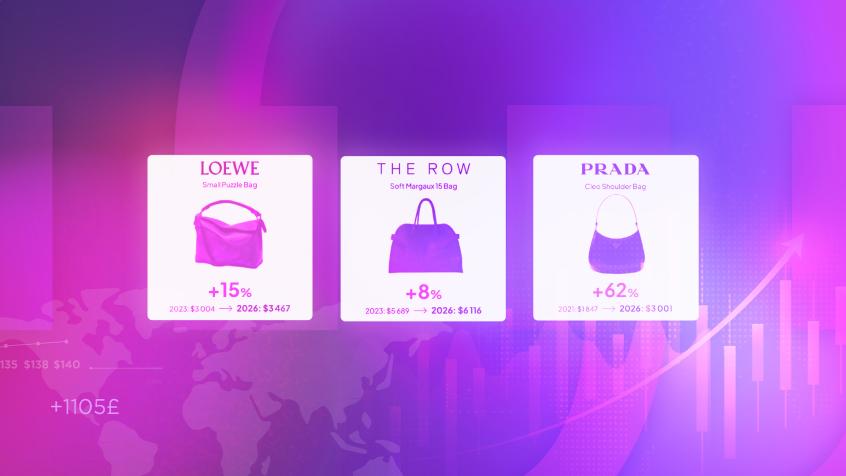
As an analyst responsible for building a competitive pricing and assortment strategy, you know the fashion world moves at lightning speed, and the data you collect often feels stale by the time it’s ready for analysis.
You know that relying on outdated insights can lead to poor decision-making, whether it’s about pricing, product launches, or trend forecasting.
You’re left wondering: How can I make informed decisions if my data is already behind the curve?
Fashion
In fashion, speed depends on how well teams, processes, and data work together. Yet too many product development teams remain trapped in disconnected systems, fragmented information, and siloed workflows.
As a result, teams spend valuable time searching for information, duplicating work, and managing endless handoffs instead of creating products.
How can you deliver products faster when your data is scattered, your workflows are disconnected, and your teams lack visibility across the product lifecycle?
Fashion
Many fashion companies depend on the experience and know-how of a few key individuals. When knowledge remains trapped in spreadsheets, emails, or within teams, onboarding takes longer, collaboration suffers, and productivity slows.
To build resilience, you need a way to capture, connect, and share information across the entire product development process.
How can you scale expertise, streamline knowledge transfer, and maintain productivity when critical knowledge is held by a handful of experts?
Fashion
Sustainability shouldn't begin when products are ready for production. It should start with the very first product decisions. Yet too many teams work without the visibility and insights needed to evaluate the environmental impact of their choices early enough.
As a result, opportunities to reduce waste, optimize materials, and improve compliance are often missed.
How can you create more sustainable products when sustainability is treated as a final checkpoint instead of a core part of the development process?

Fashion
Customer stories
