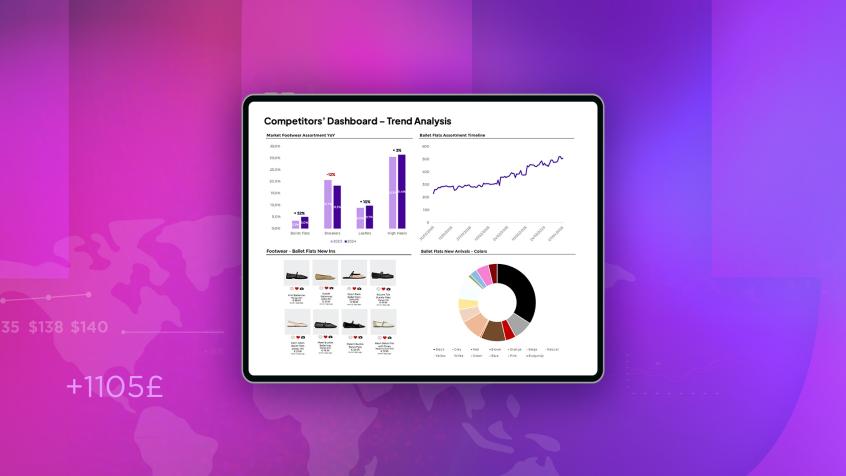
What comes after fashion week? Next steps for merchandisers
Now that fashion month has ended, the merchandising work begins. For a few weeks, the industry's attention was on the runway, the front row, the first glimpse of next season's direction. But for merchandising and buying teams, Fashion Week was never the finish line. It's just the beginning.
From Fashion Week to merchandising: The window of opportunity
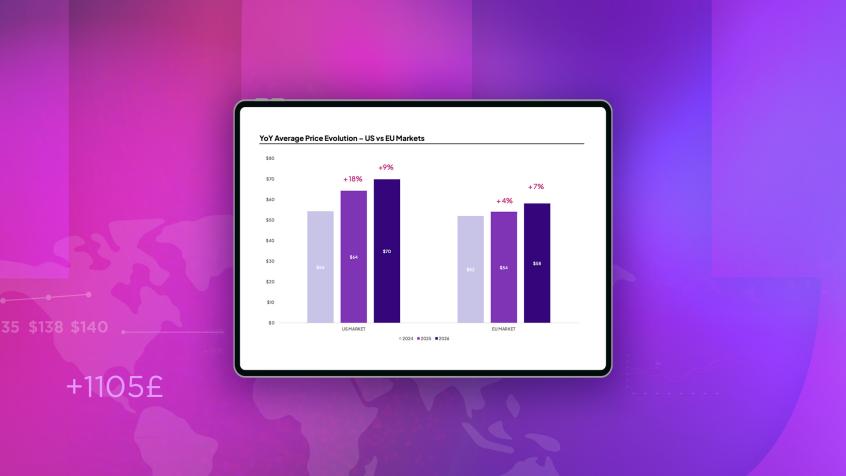
Once the shows end, that’s when the real merchandising strategy takes shape. Teams define budgets, refine pricing strategies, and decide which styles are worth investing in before final buys are locked in. It's a critical window, where decisions can shape the success of an entire season. State of Fashion 2026 confirmed what many merchandising teams had already observed: since 2023, roughly 80% of luxury’s growth has been driven by pricing rather than volume. But that strategy is reaching its limits. Mid-market brands have overtaken luxury as the industry's main value creator for the first time in years, and the aspirational shoppers who used to splurge on one or two pieces a year have become far more selective about where their dollar goes.
These shifts in consumer behavior are not always reflected on the runway. A collection can look commercially viable when it’s presented and still reach a market that has moved on. Merchandising teams can no longer rely on runway trends alone. They must translate them into collections that reflect current market realities and consumer demand.
Making the right collection decisions
Most merchandising teams today are working through some version of the same three decisions right now. The first is in their pricing structure: assessing where a new Ready-to-Wear piece or bag fits within a broader assortment, how competitors are pricing similar pieces, and whether its own price point is right for key markets. A price that looks right on paper can still be out of step with where the market has moved, and that usually remains undetected until it becomes visible through sell-through results. By then, it is often too late to adjust.
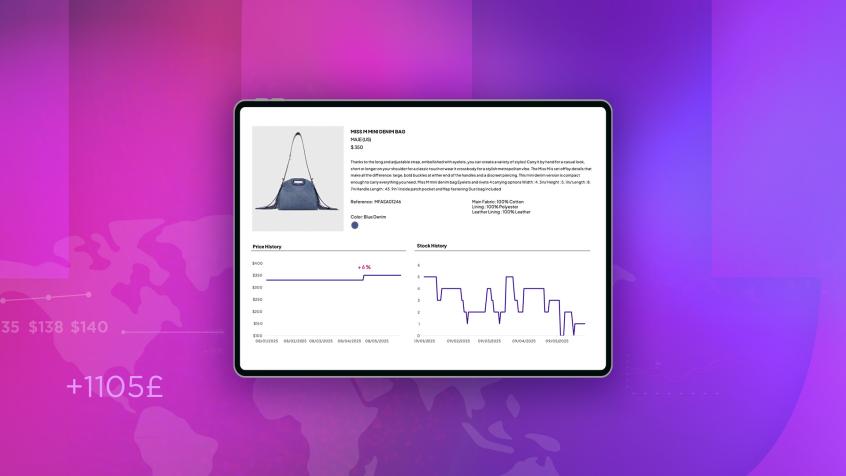
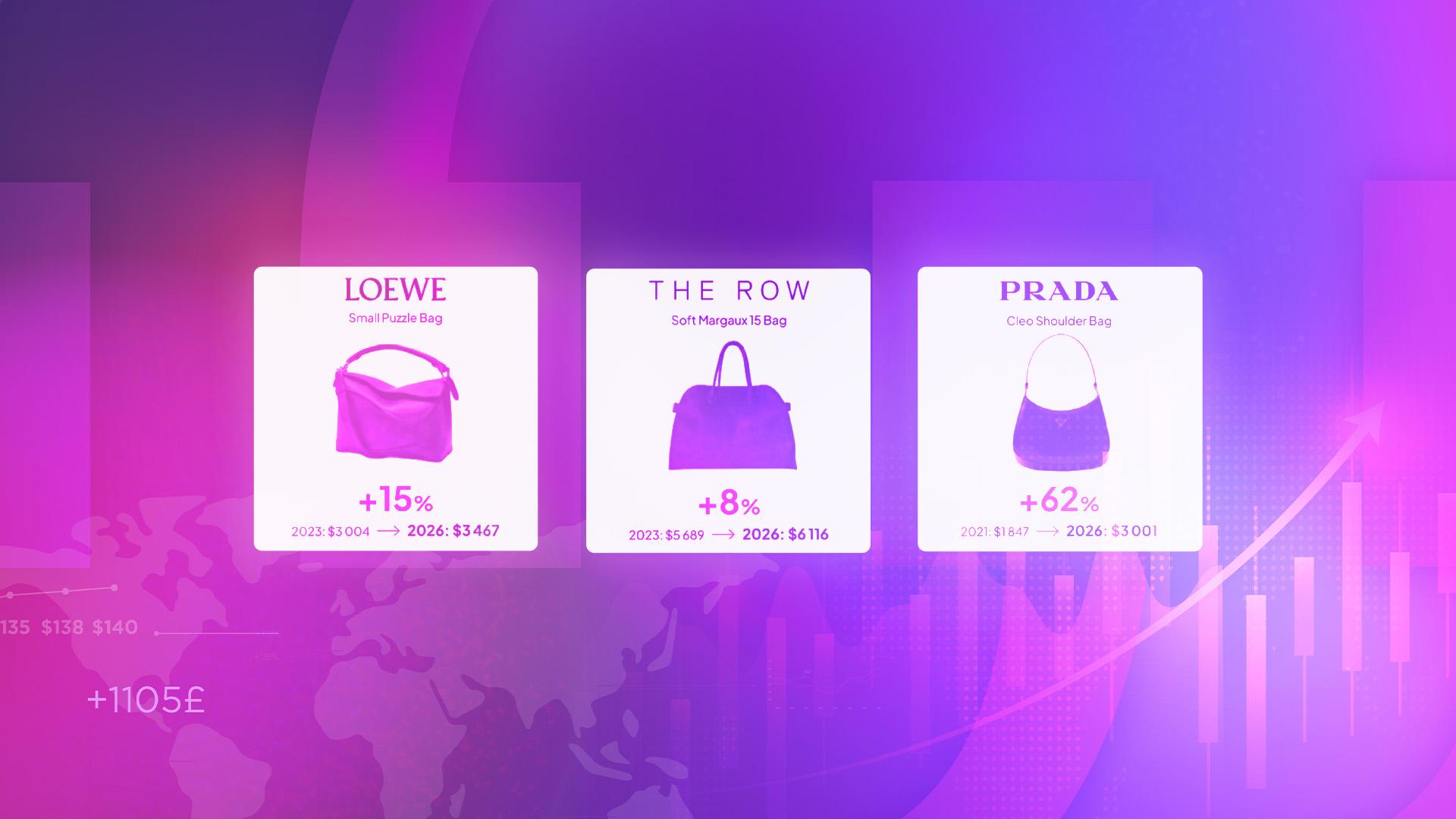
The second is the pricing of iconic pieces. Hero bags have long been key drivers of brand equity and margin growth, but the old playbook of increasing prices twice a year for hero bags is losing its effectiveness. Several leading houses have committed to only one increase annually since 2025, and even that approach isn't playing out the same way across markets. Decisions to hold, adjust, or protect pricing of an icon for the following season now need to be heavily backed by data, both on market dynamics and consumer sentiment.
The third is assortment depth: how many colorways and SKUs are worth ordering? As the luxury sector shifts toward narrower assortments to reinforce exclusivity, brands are reducing the breadth of their offerings. Hero bags now come in three sizes instead of five, with fewer seasonal colorways. With depth taking priority over breadth, today’s merchandisers need market data to track these shifts, identify the right categories, and invest in the products with the greatest sell-through potential.
Data makes the difference
Each decision gets easier with one thing: data. Data provides visibility into what's happening in the market throughout the entire season. Knowing where a competitor has positioned a comparable bag in Seoul versus Paris. Seeing whether a rival's repricing cadence on its iconic bag has changed this year. Understanding whether local markets are narrowing assortments or expanding them. Most importantly, assessing if your strategy is aligned with market realities. leading brands are checking continuously now, market by market, competitor by competitor, during the exact window when merchandising decisions are being finalized.
Unlocking luxury growth
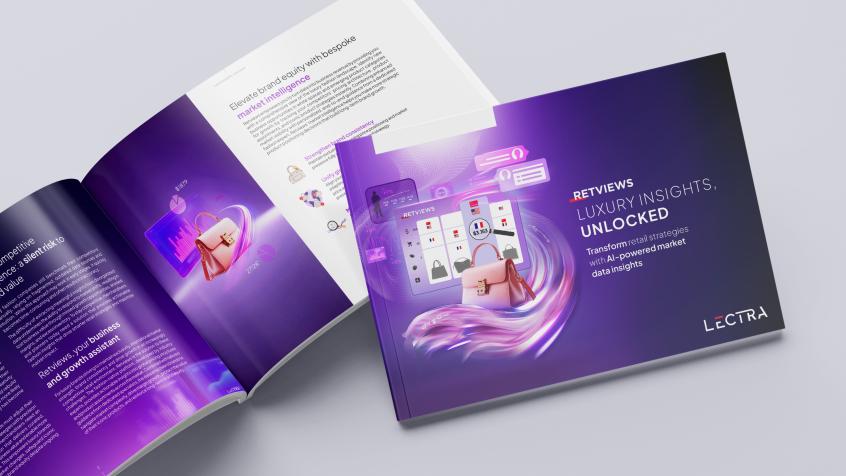
The gap between what runways show you and what truly drives merchandising decisions is the premise of our e-guide, Luxury Growth Unlocked. It explores how leading luxury brands are using market intelligence to guide pricing strategy, iconic product positioning and assortment depths, and more, with the actual data behind each decision and the competitive dynamics influencing them.
Related content