How top fashion brands are improving retail performance
Fashion retailers are facing growing pressure to improve fashion retail performance as demand becomes more unpredictable and margins tighten.
This eguide reveals how leading brands are tackling key challenges—assortment, inventory, pricing and marketplaces—to improve sell-through, margin performance and revenue growth, backed by real-world results.

The challenges holding fashion brands back
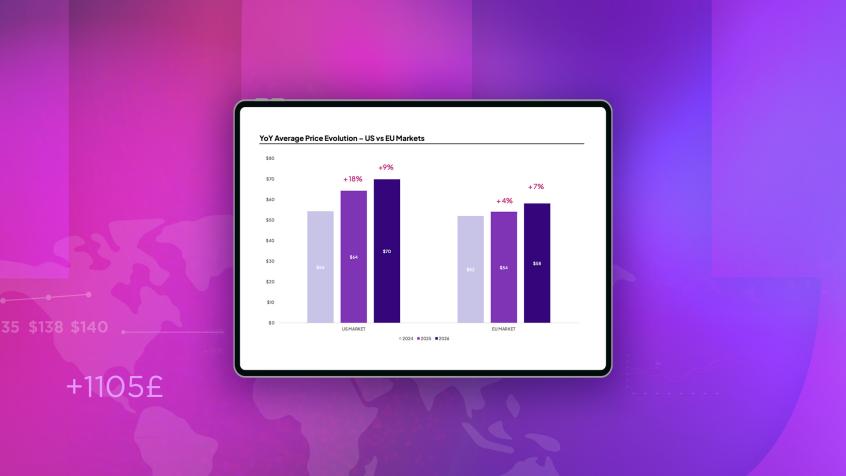
Many brands still struggle with limited visibility across their market, leading to over-assorted collections, inefficient inventory, pricing misalignment and missed growth opportunities. In a context of volatile demand and rising competition, these gaps directly impact forecast accuracy, inventory optimization and overall profitability.
What leading brands are doing differently
Top-performing companies are adopting data-driven retail strategies to gain clearer insights into demand, pricing and competition. By improving demand forecasting, retail planning and marketplace execution, they act faster, optimize inventory and strengthen their market position.
This eguide highlights how brands have already reduced stock levels, improved pricing accuracy and accelerated growth through marketplaces.
Real results you can apply
Inside this eguide, discover how fashion brands are:
- Identifying high-growth assortment opportunities
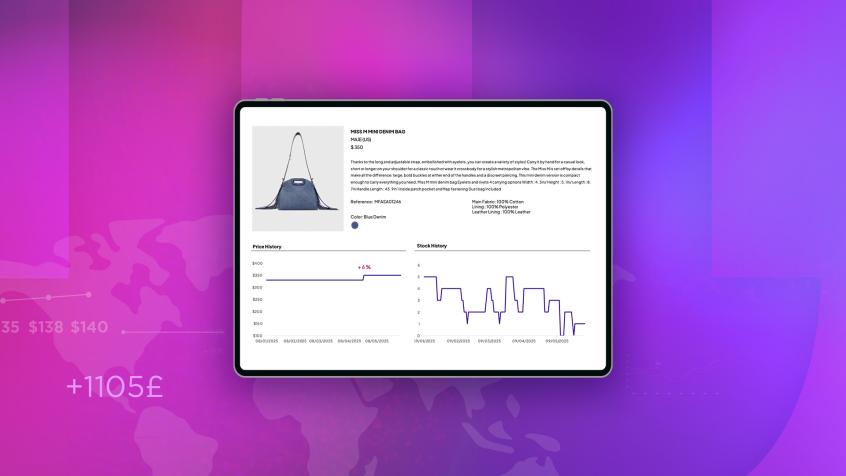
- Reducing excess stock and increasing sell-through
- Optimizing pricing to protect margins
- Expanding through marketplaces to unlock new revenue streams
These insights provide practical guidance to improve fashion retail performance and drive measurable results quickly.
Ready to unlock your growth drivers?
The brands that succeed today are those that turn market complexity into clear, actionable decisions.
This eguide gives you the insights and real-world benchmarks to improve performance—faster.
Related content