Sustainable Automotive: what strategies and technologies will transform the industry
Key Takeaways
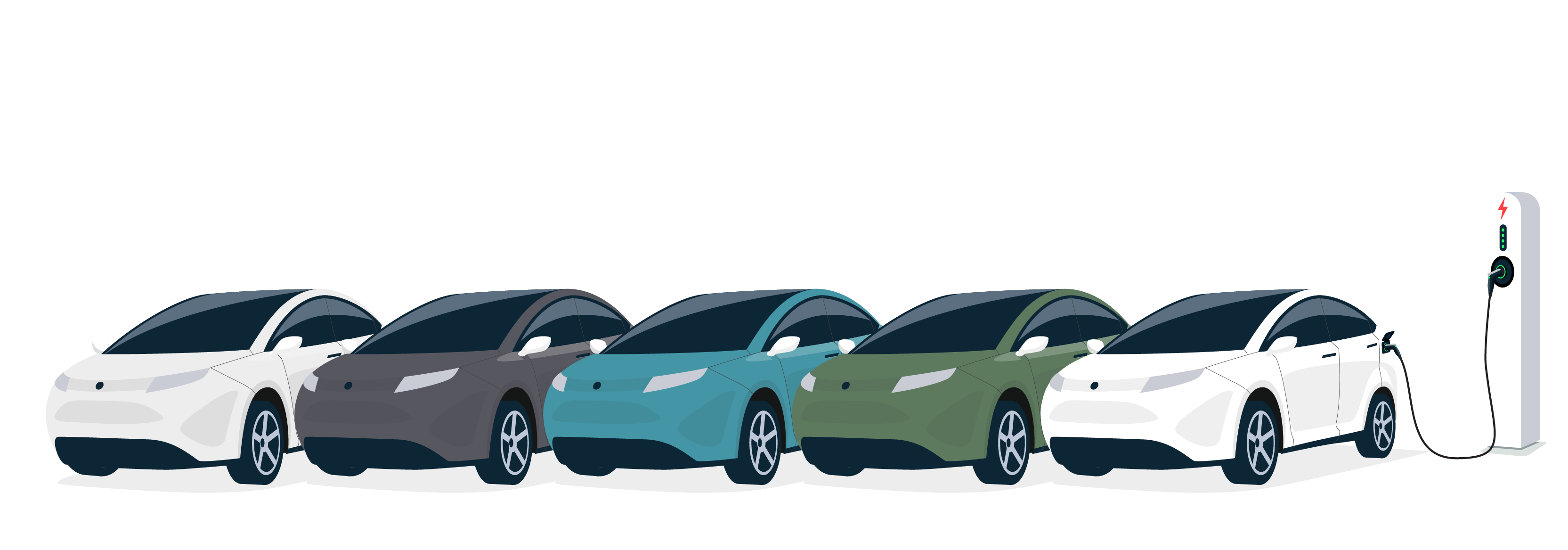
1 in 5 new vehicules worldwide is already electric or plug-in hybrid (2024)
The share of Chinese brands has jumped by +18% in one year on their domestic market
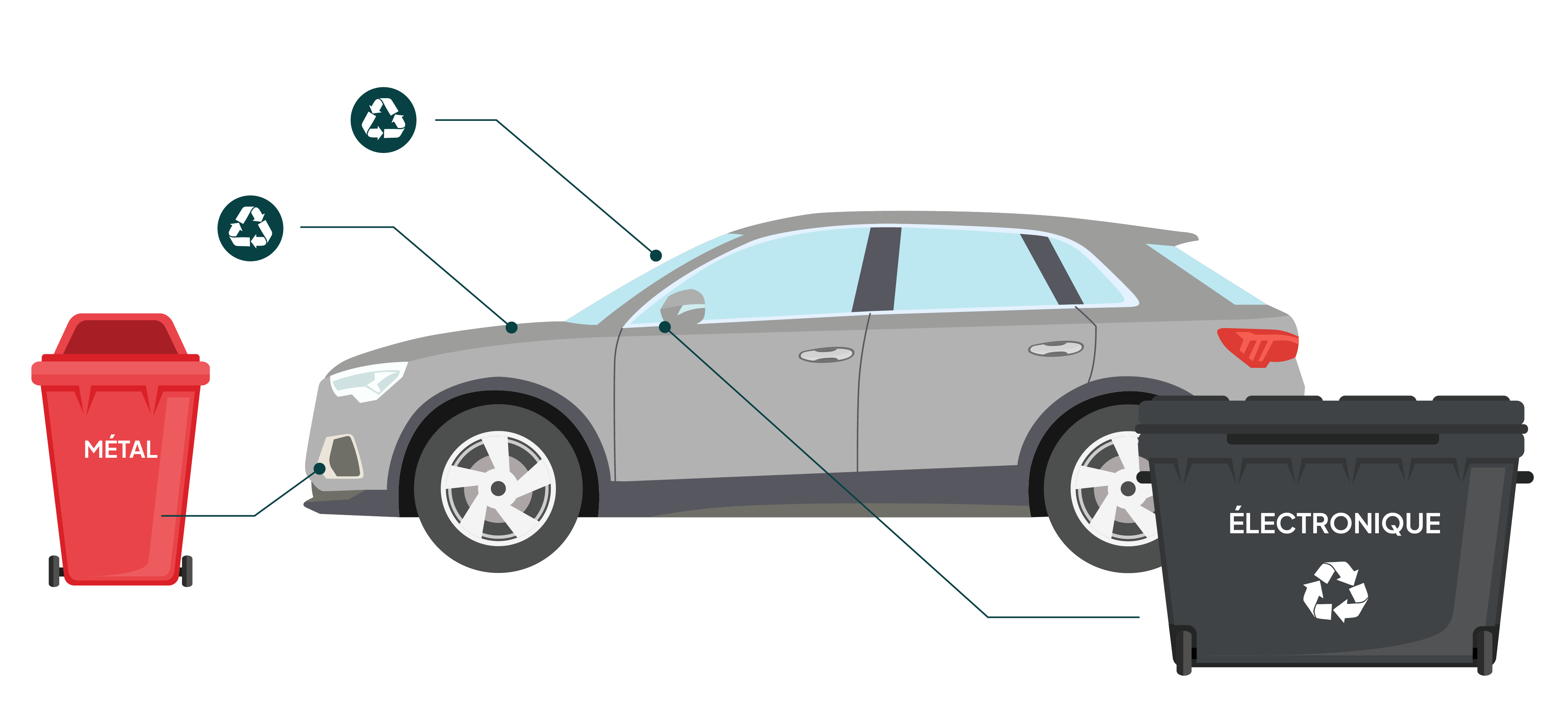
Between 25% and 95% of the metals used in a car come from recycling
The automotive sector, a highly strategic market, employs 13.8 million people in Europe, or 6.1% of total employment
The concept of “econogy” (ecology + economy) redefines sustainable performance
Sustainability in the automotive sector
As the second most polluting sector in the world, transport is at the heart of global warming. Road transport alone accounts for 94% of the sector's GHG emissions (119.2 Mt CO₂ eq in 2023).
In this context, the automotive industry is facing a profound reassessment. Inflation, declining purchasing power, new European standards (a 100% reduction in CO₂ emissions for new cars from 2035), and global competition are shaking up its fundamentals.

For the automotive industry, sustainability is bringing about unprecedented change. While it aims to limit environmental impact, it encompasses many other aspects—production, economic, social, and more. Several phenomena are coming together to shake up the sector!
Clémentine Mitard-Manteau, Marketing strategy director furniture & automotive, Lectra
Electrifying the vehicle fleet is the primary means of making the industry sustainable. However, sustained market growth is making it increasingly competitive. Asian players in general, and Chinese players in particular, are the main beneficiaries of this growth.
Key figures
- 13.8 million jobs depend directly or indirectly on the automotive sector in Europe (6.1% of total EU employment).
- By 2024, 1 in 5 new cars sold worldwide will be electric or plug-in hybrid.
- The share of Chinese brands in their domestic market fell from 64% in 2020 to 35% in 2024 for foreign brands.
Strategies to address these challenges
Sustainability isn't just a constraint: it's an opportunity to reinvent the value chain. Stakeholders are banking on circular models, new industrial practices, and cooperation.
Today, companies are showing such a willingness to combine that a new term is emerging: “econogy”.
Maximilien Abadie, Deputy CEO, Lectra
Among the levers highlighted in the white paper:
- Industry 4.0 and digital technologies make it possible to optimize production tools and their performance.
- Eco-design of vehicles, integrating resource optimization and recyclability from the design stage.
- Reasonable use of raw materials : between 25 and 95% of the metals used in a car already come from recycling.
- Circular practices illustrated by the example of TESCA , which is increasingly incorporating recycled materials and developing textiles made from reused waste.
- Regulations and certifications (ISO, Ecovadis) transformed into levers for progress and competitive differentiation.
We should all think about a new, more rewarding terminology for waste, because today it is once again becoming a raw material.
Christine Tonellato, Director Sustainability & ESG, TESCA
Reconciling sustainability, performance and profitability with technology
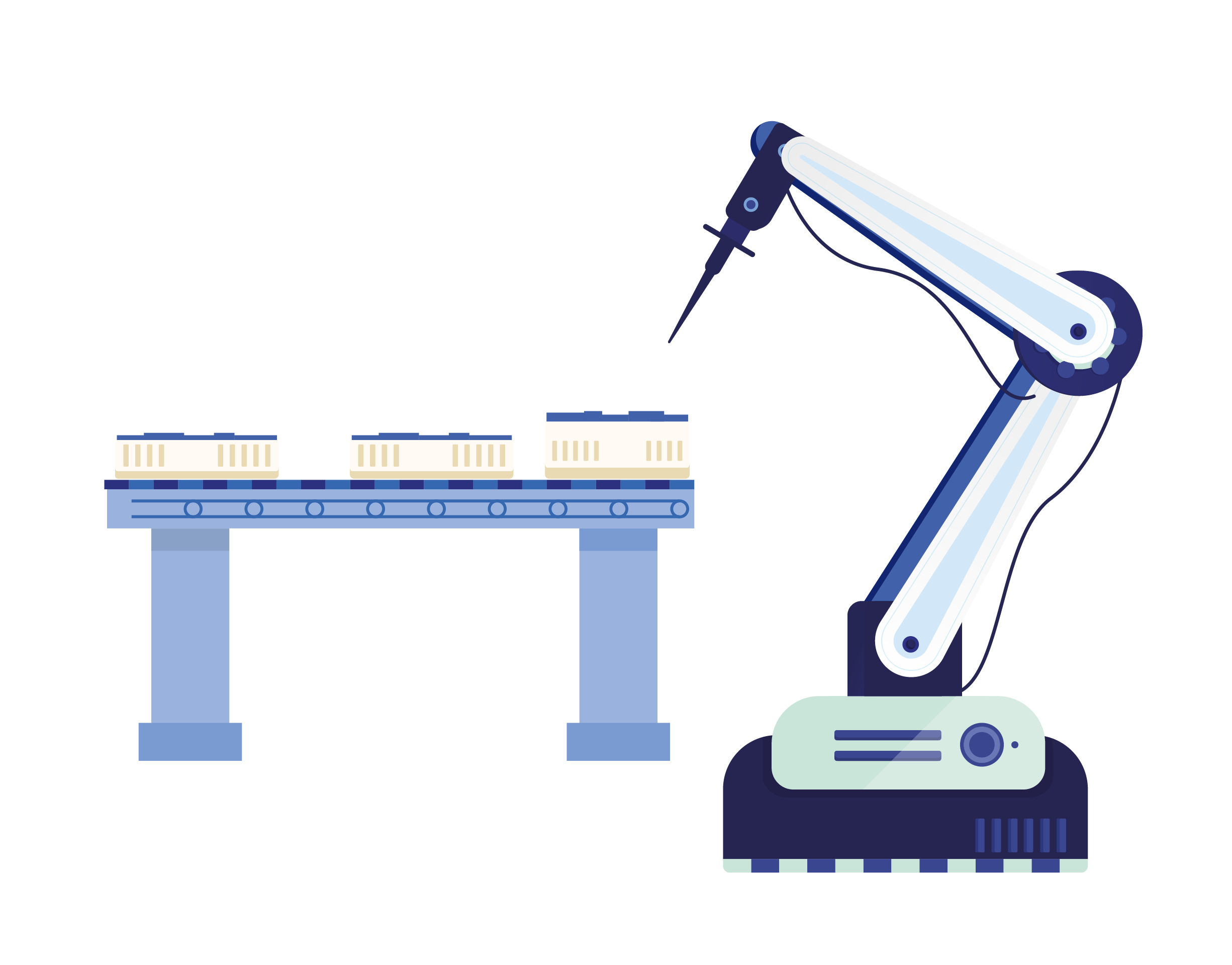
Automation, artificial intelligence, and Industry 4.0 are playing a key role in the transition. Data collected throughout the value chain helps measure, demonstrate, and improve environmental performance.
The data recorded by our cutting systems allows a seat supplier to demonstrate to the car manufacturer the efforts made to optimize the material, reduce energy consumption and reduce waste.
Clémentine Mitard-Manteau, Lectra
Examples of innovations:
- Smart factories capable of adapting to shorter and customizable series.
- Luminous textiles developed by MUNDA , integrating optical fibers to improve user experience and safety.
- Optimization of flows and reduction of water and energy consumption in workshops.
Conclusion
Sustainable transformation of the automotive sector is no longer an option: it's a necessity. Faced with regulatory pressures, consumer expectations, and fierce global competition, the industry must rethink how it designs, produces, and recycles vehicles.
But this transformation also represents a unique opportunity to strengthen competitiveness, improve profitability and create sustainable value for the entire chain.
Reducing emissions, optimizing resource use, developing the circular economy and leveraging cutting-edge technologies: these are all levers that need to be activated today to reinvent the automobile of tomorrow.
Sources and contributions
This white paper draws on the expertise of several major players in the automotive and sustainability industries:
- Alicia Yoffret Nittman – Deputy Group HR Director for EH&S activity and Director of the Bezannes plant, TESCA
- Christine Tonellato – Director of sustainability & ESG, TESCA
- Maximilien Abadie – Deputy CEO, Lectra
- Aude Reine – Go-to-Market Director automotive & furniture, Lectra
- Clémentine Mitard-Manteau – Marketing Strategy Director furniture & automotive, Lectra
- Kai Muxel – CEO, Munda
- Adam Ragozzino – Analyst, Wards Intelligence
Useful links


