Why PLM replacement is now a data, AI and business architecture decision
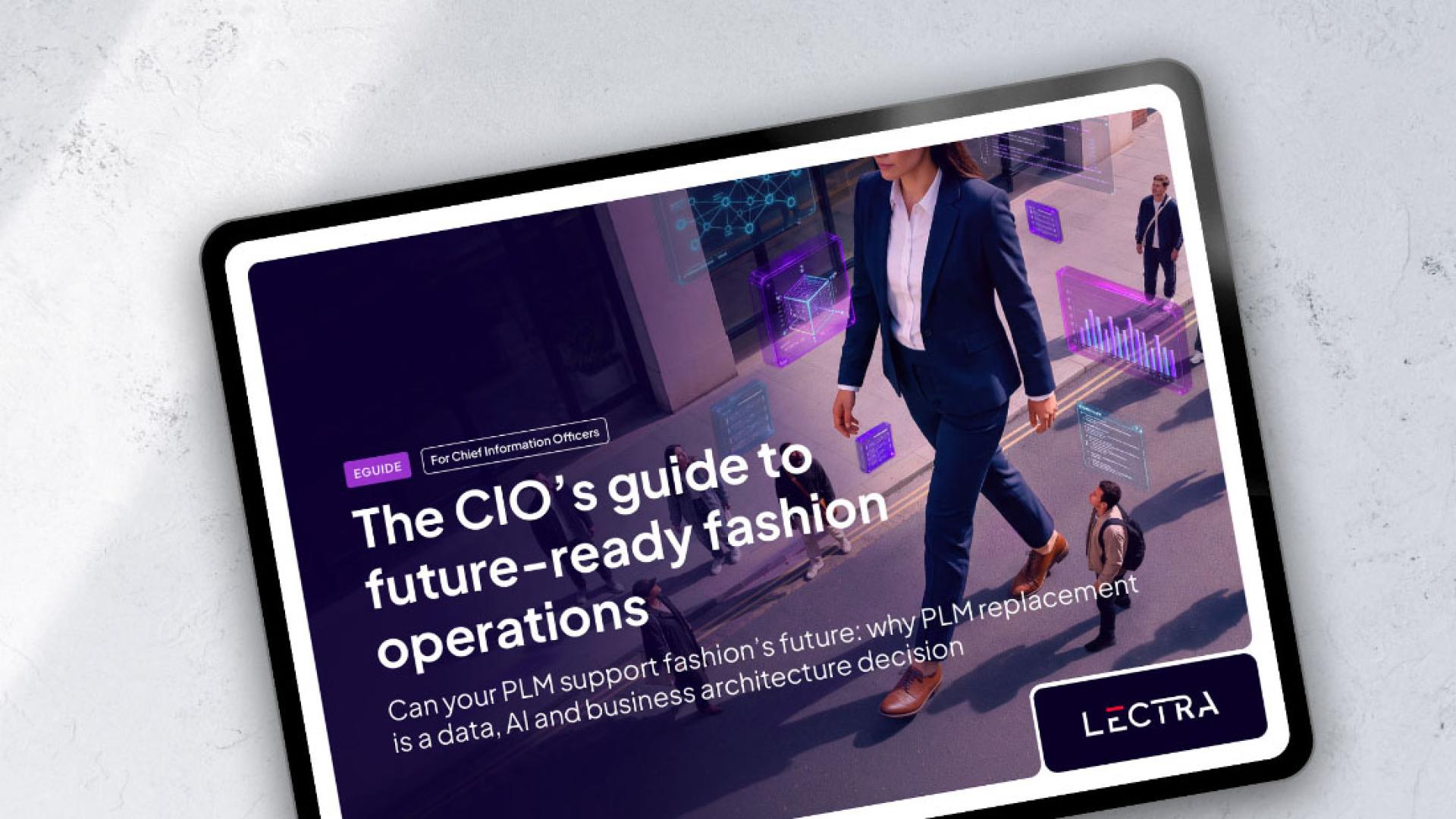
As organizations move from AI experimentation to enterprise-scale deployment, trusted, governed and accessible product data is becoming a prerequisite for success. This eGuide explores why PLM replacement has become more than a technology decision. It is a strategic opportunity to create the data foundation, integration architecture and governance model needed for future growth.
Challenges facing fashion CIOs
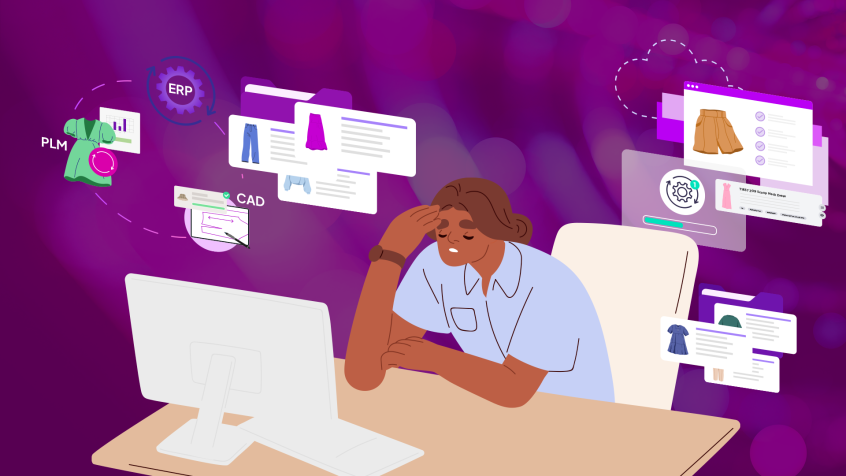
Many fashion organizations have built their PLM environments over years of operational success. As business complexity increases, many fashion organizations find that long-established PLM environments become harder to adapt, integrate and scale. Product information expands across systems, processes and partners, making governance, visibility and decision-making more difficult.
At the same time, organizations are connecting a broader ecosystem of technologies to support sourcing, development, supply chain and commercial operations. Ensuring consistent information flows across these environments becomes increasingly important for maintaining alignment, supporting decision-making and enabling business agility.
As AI, automation and advanced analytics become strategic priorities, CIOs are placing greater emphasis on trusted, accessible and governed product data. Creating this foundation allows organizations to accelerate innovation, support cross-functional collaboration and unlock greater value from enterprise technology investments.
This evolution is leading many technology leaders to reassess how their product data architecture can support future operating models, enterprise integration strategies and AI ambitions. The goal is not simply to manage product information more effectively, but to create the visibility, scalability and decision intelligence required for long-term business success.
Questions every fashion CIO should be asking
Inside this eguide, discover answers to:
- Why can legacy PLM environments create hidden technical debt?
- How does fragmented product data impact visibility and decision-making?
- What does AI readiness requires from your data architecture?
- How does integration complexity affects transformation success?
- What are the hidden costs of delaying PLM modernization?
- Why are leading organizations evolving PLM into a fashion data hub?
You'll also see how fashion brands are using Kubix Link to improve data consistency, strengthen governance and accelerate business performance.
Your PLM may still be meeting today's needs. But can it support tomorrow's priorities?
As AI, data governance and enterprise integration reshape technology priorities, CIOs are reevaluating PLM through a broader lens. A platform's value depends not only on how well it manages product data today, but also on its ability to support future business objectives, evolving operating models and new technology initiatives.
Inside the eGuide, discover five key considerations to help you:
- Assess whether your current PLM can support future business requirements
- Build a trusted product data foundation
- Prepare your architecture for scalable AI
- Connect your technology ecosystem
- Balance migration priorities with long-term transformation value
Built for technology leaders shaping fashion's future
This eguide is designed for:
- Chief Information Officers (CIOs)
- IT and Digital Transformation Leaders
- Enterprise Architects
- Technology and Data Governance Teams
- Fashion executives responsible for AI, transformation and operational excellence
If you are evaluating how your technology landscape can support future business requirements, this guide provides a practical framework for assessing your next steps.
Ready to assess your PLM strategy?
As product data becomes increasingly central to AI, business agility and enterprise decision-making, the systems that manage that data become strategic assets. Learn how leading fashion organizations are creating the connected data foundation required to align systems, support AI initiatives and accelerate enterprise decision-making.
Download the eGuide and discover how Kubix Link helps fashion organizations connect data, align systems and accelerate decisions.
Related content