One decision at a time: Tackling the hidden carbon cost of marketing
How smarter marketing strategies lower your carbon emissions –and optimize business performance.

How marketing really shapes your carbon footprint
At first glance, marketing may seem unrelated to sustainability.
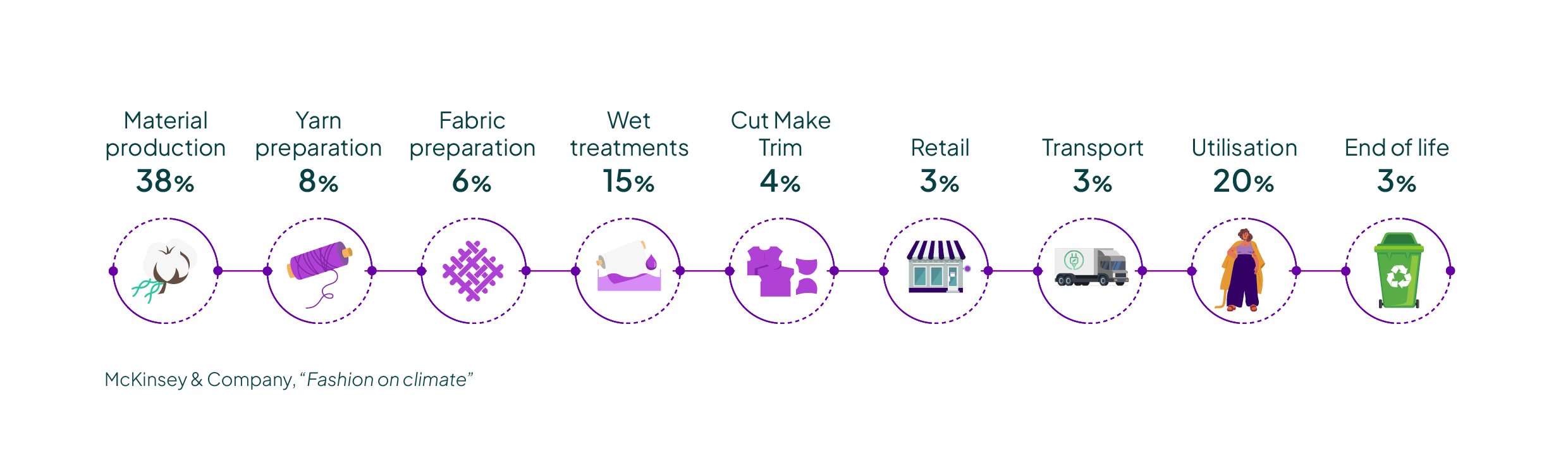
In reality, it plays a critical role in shaping decisions across the entire product value chain. In fashion, data-smart marketing decisions can prevent overproduction, reduce excess inventory and travel, and optimize distribution—ultimately improving both sustainability and business performance, while poor choices actively increase waste and carbon emissions.
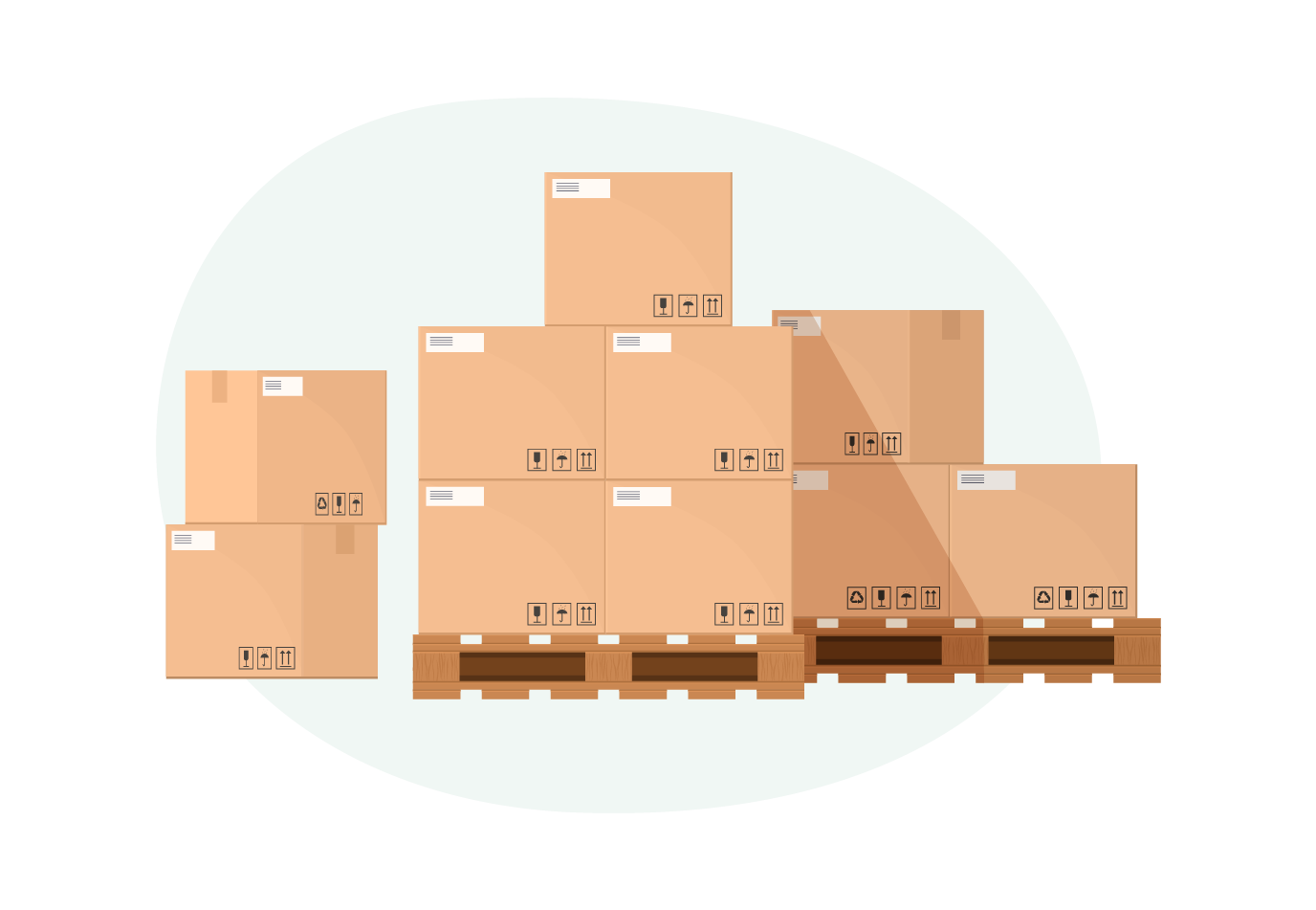 To avoid missed sales, field teams often inflate stock requests—leading to end-of-season overstock.
  With return rates around 30%, fashion heavily increases the environmental footprint of logistics due to multi-size online orders. Integrated with PIM and
  Fashion shows have a high environmental impact—from international travel to paper invitations.
  During campaigns, the constant movement of prototypes between brands, press, and showrooms increases emissions and risk of loss. Launchmetrics replaces physical samples with digital assets and tracks remaining items, improving efficiency while reducing emissions.
 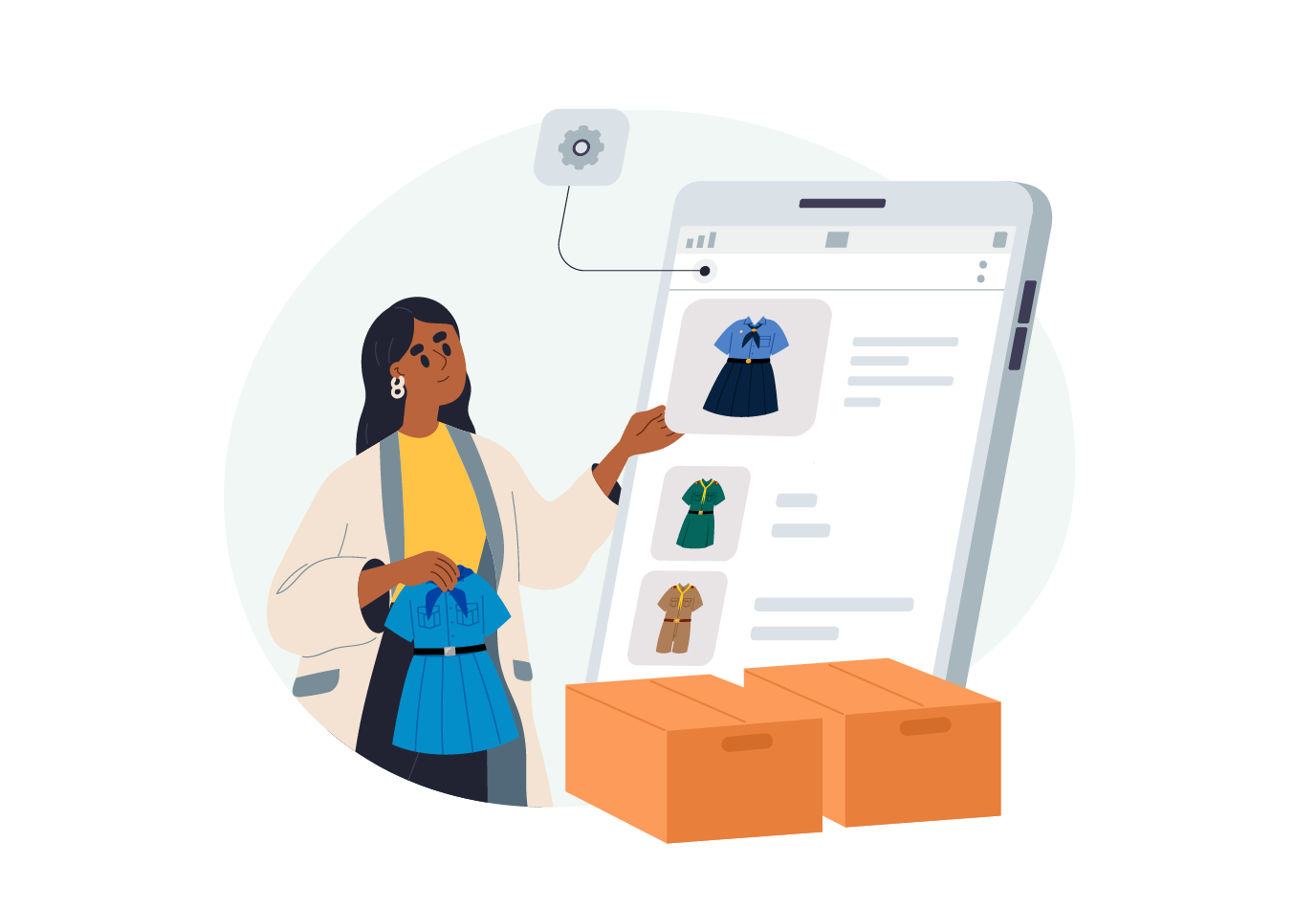 The multiplication of delivery methods disperses stock across logistical layers, increasing complexity and duplicating inventory across warehouses, leading to excess stock. Neteven, enables centralized and precise stock management with accurate inventory information across all channels, helping teams optimize distribution based on stock data.
 The new age of marketing in fashion
Done right, marketing turns sustainability into a significant competitive advantage. By leveraging data, fashion brands can make sharper decisions to reduce excess inventory, lower return rates, minimize campaign and event-related emissions, and optimize distribution across channels. In turn, a more cohesive brand experience helps build authentic customer relationships and foster long-term loyalty.
Infographic
To go further
Read our article to see how our technology helps fashion companies make greener, smarter decisions across the entire product lifecycle.
One decision at a time: Lectra’s path toward a low-carbon world
Related content